I Finally Fixed My Patchy Dead Lawn By Digging A Tiny Pond (And My Neighbor Stopped Complaining)
A Reddit user shares how a neglected backyard corner became a lush, bird-filled oasis after adding a small water feature and native plants.
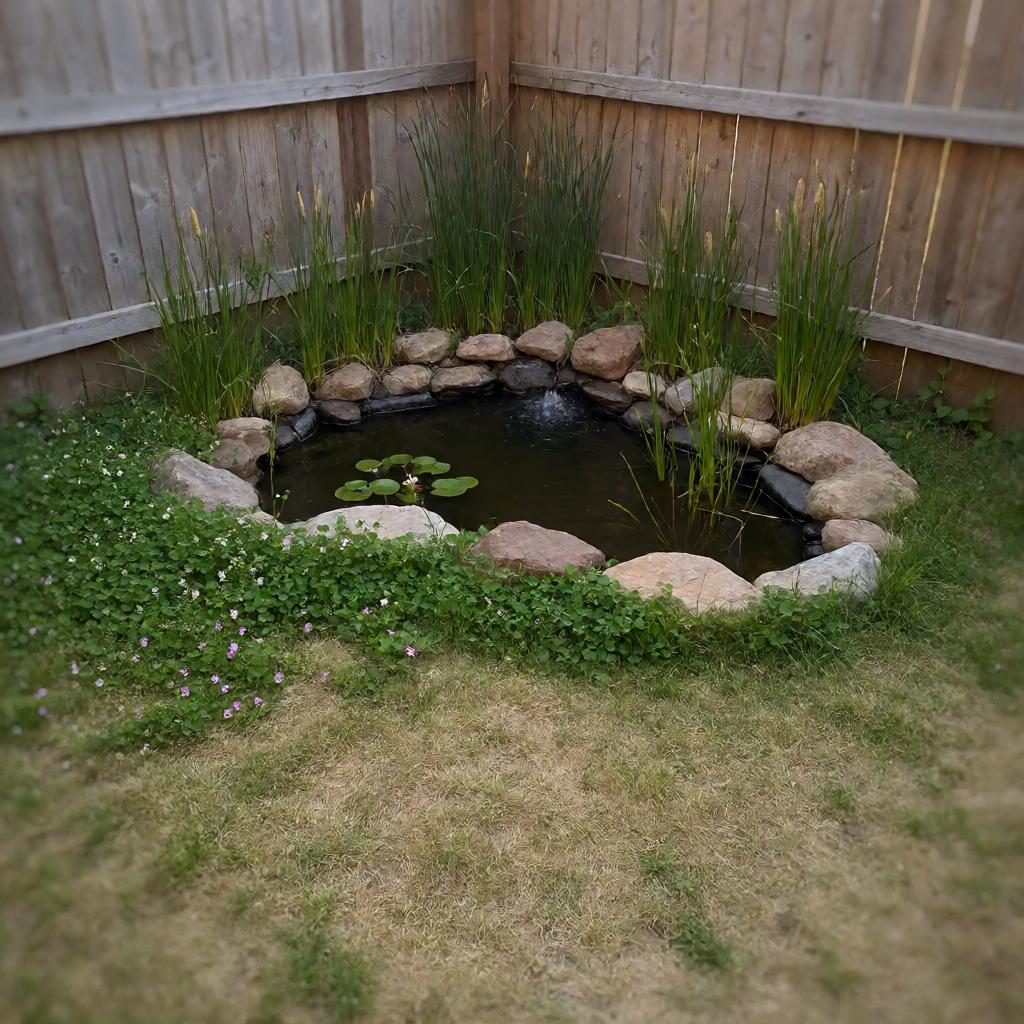
Location
Portland, Oregon, United States
Property Type
House
Room
Backyard
Direction
Southwest
The Problem
My backyard was a disaster. The grass was more dirt than green, the fence had a permanent mud stain, and every time it rained, water pooled in the corner for days. My neighbor kept dropping hints about mosquitoes. I work from home, so I stared at that sad patch all day. I tried re-seeding twice, threw down fertilizer, even bought one of those cheap plastic ponds from a big-box store. Nothing worked. The water just sat there and turned green.
What They Tried
So I went down a YouTube rabbit hole about backyard ponds. I dug a shallow basin in the lowest corner, lined it with EPDM rubber, and edged it with rocks and gravel. I planted native sedges and rushes around the rim, plus a few water lilies. Then I added a tiny solar fountain pump to keep the water moving. I also stopped mowing the far edge of the lawn and let clover and wild violets take over. Total cost was maybe $200 and three weekends of digging.
What Happened
It took about six weeks to really notice. The water cleared up once the plants established. Dragonflies showed up first, then tree frogs. The mud stain dried out because the water now soaks into the pond instead of pooling. My neighbor actually asked me what I did because her side of the fence looks better too. The grass near the pond is thicker and greener. I wouldn't call it a miracle, but it's the first time this yard has felt alive instead of just... there.
Spatial Orientation
| Bagua Sector | 坤 ☷ · Kun |
|---|---|
| Direction | Southwest |
| Element | earth |
What works best here
Kun (2) · Earth. Southwest favors grounded, low-profile arrangements that feel intimate.
Place: low cozy seating, plush textiles, warm indirect lamps, soft pink and terracotta.
Recommended crystal
Rose Quartz or Pink Tourmaline — placed on a nightstand or low shelf in the southwest
This area supports comfort and connection — a perfect spot for a reading chair or small sofa
Source Analysis
1. The Original Principle
Original Chinese
草盛木繁,水深土厚。
English Translation
An old text on dwellings observes: where grass grows thick and trees flourish, the water is deep and the soil is rich. Such a place holds life and stability. The advice: plant trees, store water, and build up the earth.
2. About the Source
雪心赋 论阳宅 by Bu Yingtian · China · Tang Dynasty (618–907 CE)
The Snow Heart Rhapsody is a poetic yet rigorously analytical classical text on landscape assessment. Written in rhymed prose, it covers mountain forms, water patterns, terrain energy, and site selection with remarkable literary elegance. Its observations about how land contours create sheltered, comfortable settings for human habitation remain relevant to modern site planning and environmental psychology.
3. How This Principle Applies to This Case
The classical principle links lush vegetation and deep water to a stable, vital environment. In this case, the homeowner didn't just add a pond—they restored a small water cycle. The pond captured runoff, the plants filtered it, and the soil retained moisture. Modern ecology calls this a 'rain garden' or 'bioretention area.' The psychological shift is equally real: a dead corner became a focal point of life, reducing the homeowner's daily stress and even improving neighborly relations. The text's observation that water and plants together create stability is supported by basic hydrology and habitat ecology.
Bring the Purest Energy Into Your Home
Sourced from altitudes above 4,000 meters in the Himalayan range — the highest place on Earth and the closest to the sun. These crystals formed over millions of years in some of the planet's most pristine conditions, untouched by industrial pollution. Each piece carries the raw, unfiltered energy of the mountains. Whether placed on a nightstand, a desk, or a meditation corner, they serve as a quiet anchor — a daily reminder to pause, breathe, and reconnect.
Explore the HIMA ALAÏA collection →Case source
Jemma Salisbury
Feng Shui and home abundance content creator. Helps followers create homes that support their goals.