I Finally Threw Out My Ex's Coffee Mug And My Kitchen Felt Different In A Week
My friend Dana kept a mug from a bad relationship on her shelf for two years. When she finally got rid of it, she said the whole room changed.
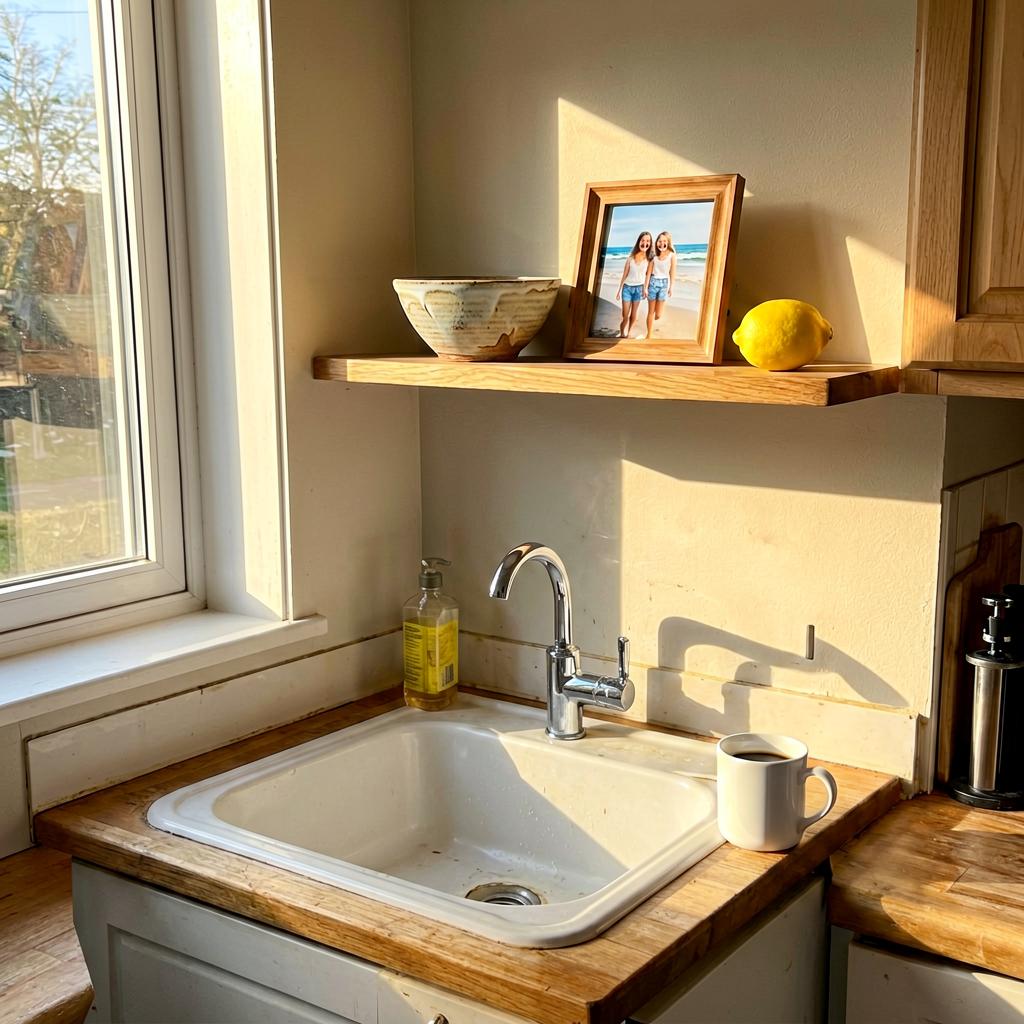
Location
Portland, United States
Property Type
Apartment
Room
Kitchen
Direction
West
The Problem
You know that feeling when a room just feels... heavy? My friend Dana's kitchen had that. Small galley kitchen, one window facing west, and on the open shelf above the sink sat this chipped ceramic mug. Her ex-boyfriend gave it to her. Not a nice mug either — some tourist shop thing from a trip that wasn't even good. She hated that trip. But she kept the mug because, and I quote, 'it felt wasteful to get rid of a perfectly fine mug.' For two years she drank her morning coffee out of a different cup and left that one sitting there like a tiny hostage.
What They Tried
I was over at her place in March and we were talking about how she'd been dragging lately. Tired in the mornings, no appetite, just flat. I looked at that shelf and asked her honestly: why is that still here? She went quiet. Then she took it down, wrapped it in a grocery bag, and walked it to the dumpster. No ceremony. She said it felt stupid the whole time she was doing it. That same night she took everything else off that shelf — old receipts, a dead plant, a candle she never burned — and put back only the things she actually liked: a little bowl her mom made, a photo of her and her sister at the beach, a lemon she'd bought that morning. Then she texted me a picture of the shelf at like 11pm with the caption 'why is this making me emotional.'
What Happened
Two weeks later she told me she'd been waking up before her alarm. Not dramatically — like fifteen minutes early, lying there feeling fine instead of dread. She said her mornings felt less like a chore. She also mentioned she'd started actually making coffee at home again instead of grabbing it on the way in. I don't think the mug was magic. I think she was looking at a bad memory every single morning and calling it a mug. Once it was gone, the shelf held things that made her feel like herself.
Spatial Orientation
| Bagua Sector | 兑 ☱ · Dui |
|---|---|
| Direction | West |
| Element | metal |
What works best here
Dui (7) · Metal. West should be lower and more open than East for left-right equilibrium.
Place: low cabinets, metal decor (brass, copper, steel), round shapes, white and grey tones.
Recommended crystal
Clear Quartz or Selenite — placed on a low console or side table in the west
Round shapes and metallic finishes feel especially at home on this side of the room
Source Analysis
1. The Original Principle
Original Text
Cualquier objeto físico está «vivo» y posee un chi cuyas características son únicas, además del chi o energía vital que nosotros mismos le transmitimos a través de nuestras reacciones, experiencias y recuerdos. Cuando nuestra respuesta personal se funde de manera armoniosa con los objetos que nos rodean, experimentamos una profunda sensación de equilibrio, comodidad y seguridad. ... Una piña o una pluma recogidas durante una excursión, una taza de porcelana china que su abuelita solía utilizar para prepararle el chocolate de la merienda, una fotografía desvaída en la que aparece usted con su mejor amiga cuando tenían seis años... , son algunos ejemplos de objetos imbuidos de una vida especial que les infunden las emociones positivas que usted siente cada vez que los mira. Los objetos que le traen a la memoria experiencias negativas o cuya contemplación le produce sensación de tristeza, e incluso los que simplemente no le gustan, no están cargados con el chi vital que resulta positivo para usted.
English Translation
A household manual for everyday living observes that every physical object carries a kind of life and a unique character. Beyond that, we ourselves transmit something to the things we keep, through our reactions, memories, and associations. When our personal response blends naturally with the objects around us, we feel balanced, comfortable, and secure. A pinecone from a hike, a grandmother's teacup, a faded childhood photograph — these hold a special life because of the positive feelings we bring to them. Objects tied to unhappy memories, or that simply displease us, lack that beneficial quality.
2. About the Source
Feng shui para Occidente by Terah Kathryn Collins · United States · 1995
Feng Shui for the West is a practical guide that adapts classical Chinese spatial principles for modern Western homes and lifestyles. Written by one of the first American authors to bring Feng Shui to a mainstream English-speaking audience, the book translates ancient Bagua concepts into actionable room-by-room advice using familiar Western design language and contemporary case examples.
3. How This Principle Applies to This Case
This principle holds that objects are not neutral. They accumulate meaning from our associations, and we interact with that meaning every time we see them. Modern environmental psychology supports this: visual cues trigger emotional responses below conscious awareness, and repeated exposure to a negative cue can produce a low-grade stress response — the kind that reads as 'I'm just tired lately.' Removing the object doesn't erase the memory, but it removes the daily trigger. The mechanism is straightforward: what you see shapes how you feel, and what you keep on your shelf is a choice, not a default.
Bring the Purest Energy Into Your Home
Sourced from altitudes above 4,000 meters in the Himalayan range — the highest place on Earth and the closest to the sun. These crystals formed over millions of years in some of the planet's most pristine conditions, untouched by industrial pollution. Each piece carries the raw, unfiltered energy of the mountains. Whether placed on a nightstand, a desk, or a meditation corner, they serve as a quiet anchor — a daily reminder to pause, breathe, and reconnect.
Explore the HIMA ALAÏA collection →Case source
Feng Shui for Real Life
Nationally renowned Feng Shui consultant and bestselling author. Longtime advisor to Fortune 500 companies, real estate developers, and Hollywood celebrities. Transforms traditional Feng Shui into practical modern business tools.