I Moved a Tree 10 Feet and My House Sold in a Week
A real estate agent recounts how removing a large tree from the southeast corner of a listing transformed its sale prospects.
Location
Atlanta, United States
Property Type
House
Room
Backyard
Direction
Southeast
The Problem
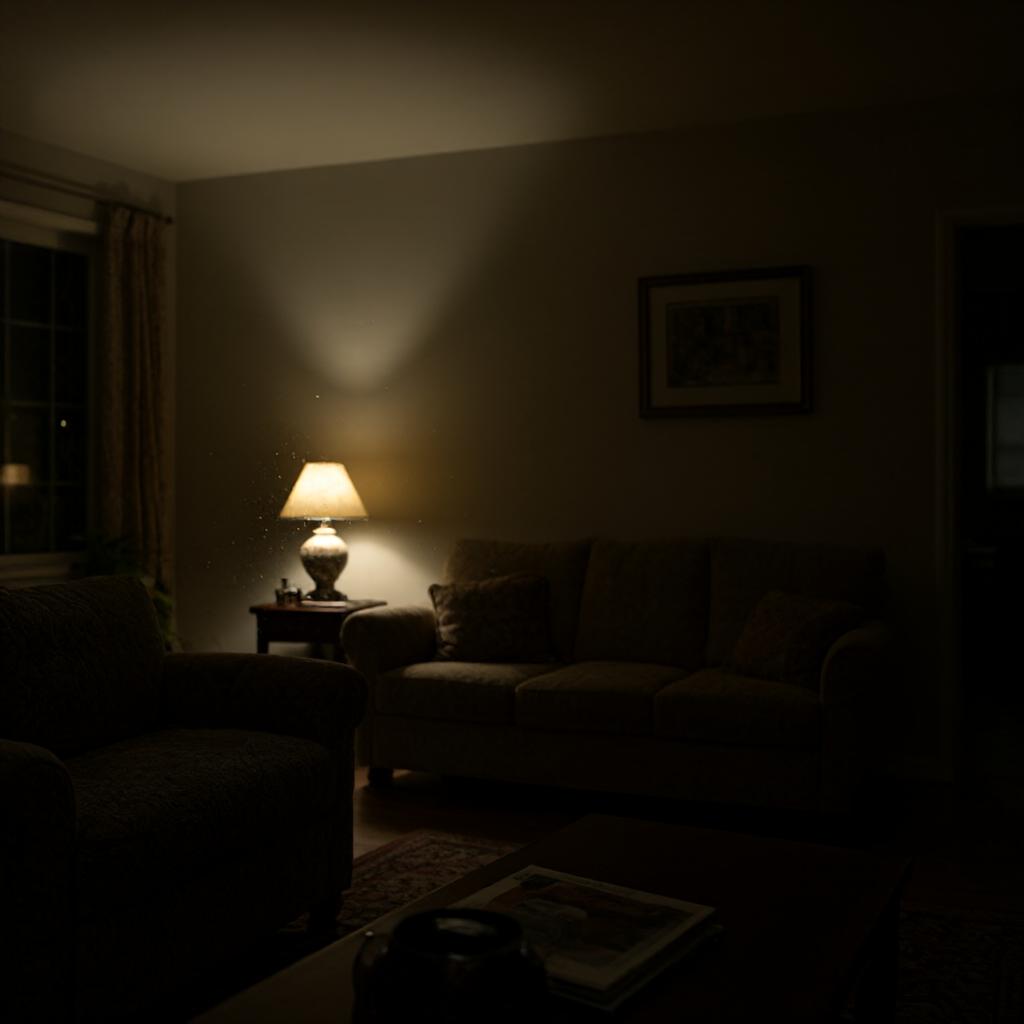
The house had been on the market for three months with no offers. The backyard was dominated by a massive oak tree in the southeast corner, casting heavy shade over the patio and making the interior feel dim.
What They Tried
After consulting with a landscape designer, the owners had the tree removed and replaced it with a smaller ornamental tree, opening up the yard and brightening the interior.
What Happened
The house sold within a week for $15,000 over asking price. The new owners loved the bright, open feel.
Spatial Orientation
| Bagua Sector | 巽 ☴ · Xun |
|---|---|
| Direction | Southeast |
| Element | wood |
What works best here
Xun (4) · Wood. Southeast loves moderate height with an airy, open feel.
Place: tall leafy plants, natural fiber rugs, light wood tones, cream and soft green.
Recommended crystal
Citrine or Green Jade — placed on a wooden side table in the southeast corner
Perfect for a creative workspace or journaling spot; natural light is your friend here
Source Analysis
1. The Original Principle
Original Chinese
见宅午巳东巽巳来有高楼大树,皆不利,宜去之吉。
English Translation
A classical text on dwellings advises that a tall building or large tree to the southeast of a house is unfavorable and should be removed for good fortune.
2. About the Source
宅经 by Attributed to the Yellow Emperor · China · Tang Dynasty (618–907 CE), based on earlier traditions
The Classic of Dwellings is one of the earliest surviving Chinese texts dedicated entirely to residential architecture. It presents a holistic view of the home as a living organism — comparing the house to a body with its own anatomy of walls, doors, rooms, and courtyards. Its core teaching is that a well-arranged home supports the health and fortune of its inhabitants as naturally as good soil supports healthy plants.
3. How This Principle Applies to This Case
The classical principle warns against tall structures or trees to the southeast, which can block morning light and create a sense of enclosure. In this case, the large oak tree cast excessive shade, making the home feel dark and less inviting. Modern psychology suggests that bright, open spaces are more appealing to buyers, as they evoke positive emotions and a sense of possibility. Removing the tree allowed more natural light to enter, enhancing the perceived spaciousness and comfort of the home. This aligns with the classical observation that eliminating such obstructions can improve the dwelling's atmosphere and, consequently, its fortunes.
Bring the Purest Energy Into Your Home
Sourced from altitudes above 4,000 meters in the Himalayan range — the highest place on Earth and the closest to the sun. These crystals formed over millions of years in some of the planet's most pristine conditions, untouched by industrial pollution. Each piece carries the raw, unfiltered energy of the mountains. Whether placed on a nightstand, a desk, or a meditation corner, they serve as a quiet anchor — a daily reminder to pause, breathe, and reconnect.
Explore the HIMA ALAÏA collection →Case source
Erin Ruby Design, LLC
24+ years of commercial and residential interior design. Registered architectural interior designer and Feng Shui consultant. Specializes in blueprint Feng Shui assessments for architects and developers.