I Moved My Desk Out of the Northeast Corner of My Home Office and My Focus Came Back
A lifestyle blogger kept losing her train of thought in her home office. She moved her desk out of one corner, added a plant, and stopped fighting her own brain.
Location
Austin, United States
Property Type
Apartment
Room
Home Office
Direction
Northeast
The Problem
I'd been working from the same corner of my home office for two years. Northeast corner, window to my left, wall behind me. I thought it was cozy. But for months I couldn't finish a thought. I'd open a document, write one sentence, and suddenly I was reorganizing my bookshelf. I blamed myself. I tried every focus app, every dopamine detox, every 'eat the frog' productivity hack. Nothing stuck. My brain felt like a browser with 47 tabs open, and I was the one clicking them all.
What They Tried
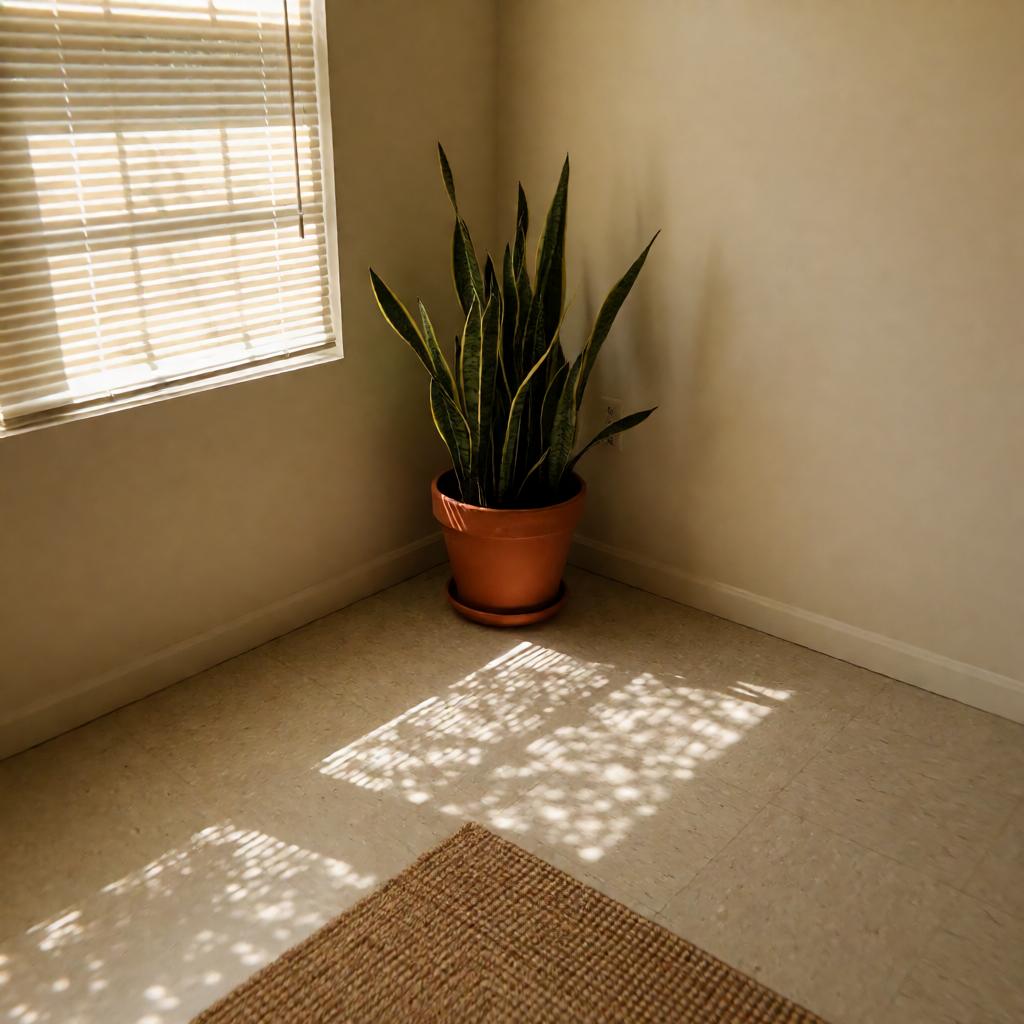
One Sunday I just moved the desk. Pulled it out of the northeast corner and turned it to face the door, with my back to the window instead of the wall. I put a small snake plant on the corner where the desk used to be, mostly because the spot looked empty and sad. I also swapped the overhead light for a warm lamp on the opposite side of the room. That's it. No apps, no systems, no 5 a.m. routine. Just furniture in different places.
What Happened
The first morning felt weird. I kept glancing at the empty corner like I'd forgotten something. By day three I noticed I wasn't getting up every eight minutes. I wrote for 40 minutes straight, which hadn't happened in months. It's not magic. I still procrastinate. But the room doesn't feel like it's pulling me in six directions anymore. I sleep a little better too, which I did not expect.
Spatial Orientation
| Bagua Sector | 艮 ☶ · Gen |
|---|---|
| Direction | Northeast |
| Element | earth |
What works best here
Gen (8) · Earth. Northeast benefits from moderate height and warm, earthy materials.
Place: ceramic pots, clay sculptures, tall wooden shelves, earthen tones.
Recommended crystal
Citrine or Tiger's Eye — placed at eye level on a bookshelf in the northeast
An ideal spot for a study nook or reading corner — keep it well-lit and grounded
Source Analysis
1. The Original Principle
Original Chinese
寅为天刑、龙背、玄武,庶养子妇长女命座,犯之伤胎第狱、被盗亡败等灾。[六月甲巳日修,角姓六月凶,十一月吉]
English Translation
The Yin direction was historically linked to the Dragon's Back and the Black Tortoise, and to the household roles of younger women and eldest daughters. The text warns that disturbing this seat brings harm to pregnancy, legal trouble, theft, and ruin. Renovations were advised for specific days in June, with exceptions depending on family surname and month.
2. About the Source
宅经 by Attributed to the Yellow Emperor · China · Tang Dynasty (618–907 CE), based on earlier traditions
The Classic of Dwellings is one of the earliest surviving Chinese texts dedicated entirely to residential architecture. It presents a holistic view of the home as a living organism — comparing the house to a body with its own anatomy of walls, doors, rooms, and courtyards. Its core teaching is that a well-arranged home supports the health and fortune of its inhabitants as naturally as good soil supports healthy plants.
3. How This Principle Applies to This Case
The classical text treats the northeast (Yin) position as a seat associated with vulnerability and long-term stability — disturbing it was thought to invite disorder. In this case, the desk sat in that corner for two years with the occupant's back to the room, a configuration modern environmental psychology links to reduced perceived control and higher vigilance. Turning the desk toward the door restored a sense of command over the space. The result wasn't supernatural; it was a change in how the brain processed the room. The classical principle and the modern mechanism point at the same thing: where you sit changes how you think.
Bring the Purest Energy Into Your Home
Sourced from altitudes above 4,000 meters in the Himalayan range — the highest place on Earth and the closest to the sun. These crystals formed over millions of years in some of the planet's most pristine conditions, untouched by industrial pollution. Each piece carries the raw, unfiltered energy of the mountains. Whether placed on a nightstand, a desk, or a meditation corner, they serve as a quiet anchor — a daily reminder to pause, breathe, and reconnect.
Explore the HIMA ALAÏA collection →Related Elements
Case source
Tisha Morris
Bestselling author and Feng Shui expert. Specializes in space clearing and energy healing for homes.