I Put a Small Fountain on the Left Side of My Yard and My Stress Levels Dropped
Our side yard was bare on the left, exposed to the street. I added a small fountain and some plants—and the difference in how we use the space is real.
Location
Portland, Oregon, United States
Property Type
House
Room
Yard
Direction
East
The Problem
Our house sits on a corner lot. The left side of the yard—maybe fifteen feet wide—was just dirt and a few weeds. Every time I pulled into the driveway, I felt exposed. The street noise came straight through, and the afternoon sun baked that side of the house. My home office window faces that way, and I found myself closing the blinds and feeling tense all day. My partner said it felt like the house was 'missing an arm.' We didn't have the budget for a fence or major landscaping, so I lived with it for two years.
What They Tried
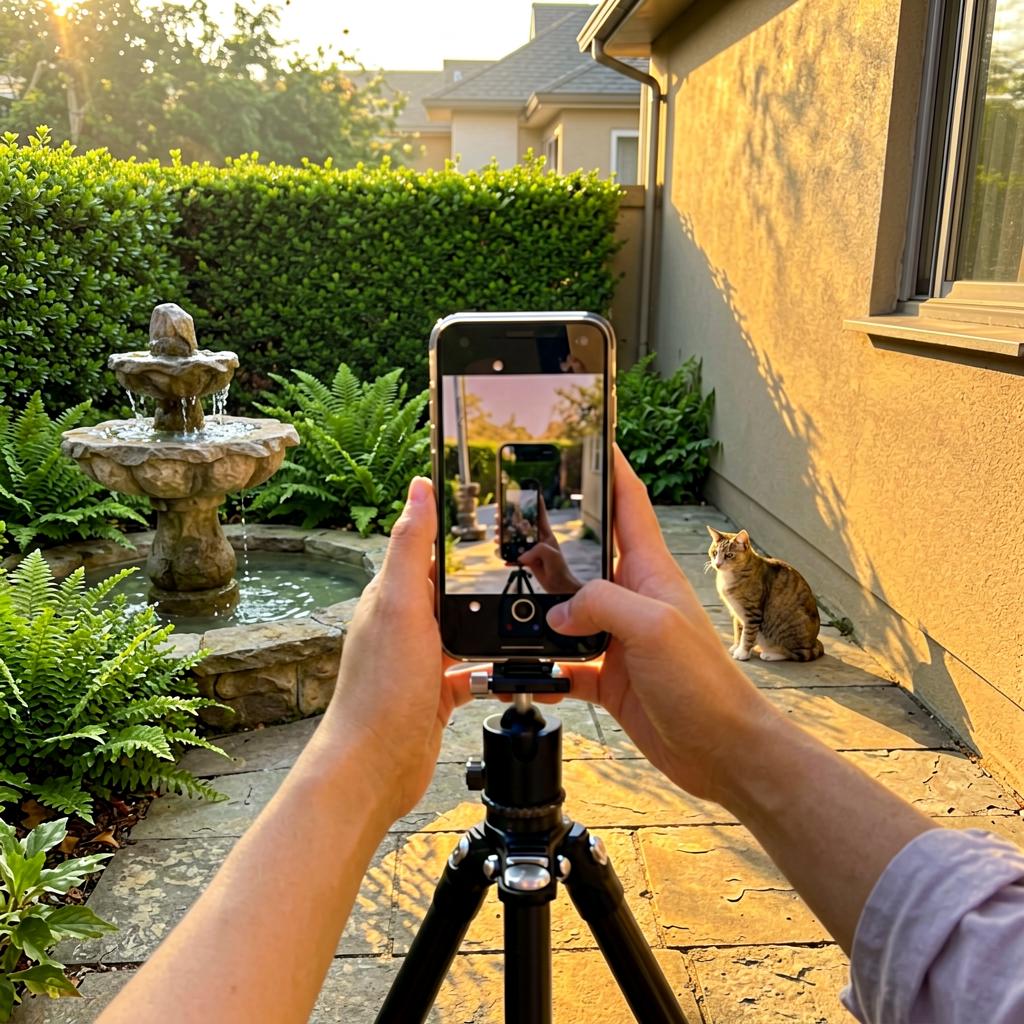
A landscaper friend suggested we treat the left side as a 'water side.' We installed a small recirculating fountain—about two feet tall, made of stacked slate—positioned about three feet from the house. Around it, we planted a low hedge of boxwoods and some ferns. The fountain hums softly, and the plants create a soft green wall. We also placed a flat stone where our cat likes to sit. The whole project cost under $400 and took a weekend.
What Happened
The first thing I noticed was the sound. The fountain masks the street noise just enough that I can keep my office window open. The plants block the direct view from the street, so I don't feel watched. Within a week, my partner started sitting out there with her morning coffee. I'm not going to say it cured my anxiety, but I've stopped closing the blinds. The cat has claimed the flat stone as his official throne. It's just a nicer place to be.
Spatial Orientation
| Bagua Sector | 震 ☳ · Zhen |
|---|---|
| Direction | East |
| Element | wood |
What works best here
Zhen (3) · Wood. East should be the tallest area of the room when possible.
Place: tall plants (especially bamboo or fiddle-leaf fig), wooden furniture, green accents.
Recommended crystal
Green Aventurine or Moss Agate — placed near a window or on a plant shelf in the east
This is the growth sector — plants thrive here and vertical elements feel natural
Source Analysis
1. The Original Principle
Original Chinese
或有龙无虎,或有虎无龙。无龙要水绕左边,无虎要水缠右畔。莫把水为定格,但求穴里藏风。
English Translation
When a site lacks the left-side 'dragon' or right-side 'tiger' protective hill, water can compensate: if the left is empty, let water wrap around the left; if the right is empty, let water wrap around the right. But water is not a fixed rule—the real goal is a sheltered, wind-protected spot.
2. About the Source
雪心赋 论龙虎 by Bu Yingtian · China · Tang Dynasty (618–907 CE)
The Snow Heart Rhapsody is a poetic yet rigorously analytical classical text on landscape assessment. Written in rhymed prose, it covers mountain forms, water patterns, terrain energy, and site selection with remarkable literary elegance. Its observations about how land contours create sheltered, comfortable settings for human habitation remain relevant to modern site planning and environmental psychology.
3. How This Principle Applies to This Case
The classical principle addresses asymmetrical sites: when one side lacks natural protection, water on that side restores balance. In this case, the left side was exposed, so a fountain and plants filled the gap. Modern environmental psychology supports this: natural sounds and greenery reduce stress and improve focus. The water feature also masks noise, a known stressor. The result is a more usable, comfortable space—not magic, just better design.
Bring the Purest Energy Into Your Home
Sourced from altitudes above 4,000 meters in the Himalayan range — the highest place on Earth and the closest to the sun. These crystals formed over millions of years in some of the planet's most pristine conditions, untouched by industrial pollution. Each piece carries the raw, unfiltered energy of the mountains. Whether placed on a nightstand, a desk, or a meditation corner, they serve as a quiet anchor — a daily reminder to pause, breathe, and reconnect.
Explore the HIMA ALAÏA collection →Case source
The Inspired Office
One of the few US consultancies specializing exclusively in office and commercial Feng Shui design. Deep expertise in home office Feng Shui, document management, and workflow decluttering.