I Rearranged My Desk by an Ancient Map and My Inbox Finally Stopped Terrifying Me
A stressed freelancer reorganizes her desk using an old spatial map, and finds that small changes lead to a surprising sense of control.
Location
Portland, Oregon, United States
Property Type
Apartment
Room
Home Office
Direction
Southeast
The Problem
I hadn't felt on top of my work in months. Every morning, I'd sit down at my desk, and my chest would tighten. The clutter—sticky notes, old receipts, a coffee ring that had been there since March—felt like a physical weight. I was behind on deadlines, my inbox had 3,000 unread emails, and I'd started avoiding my own workspace.
What They Tried
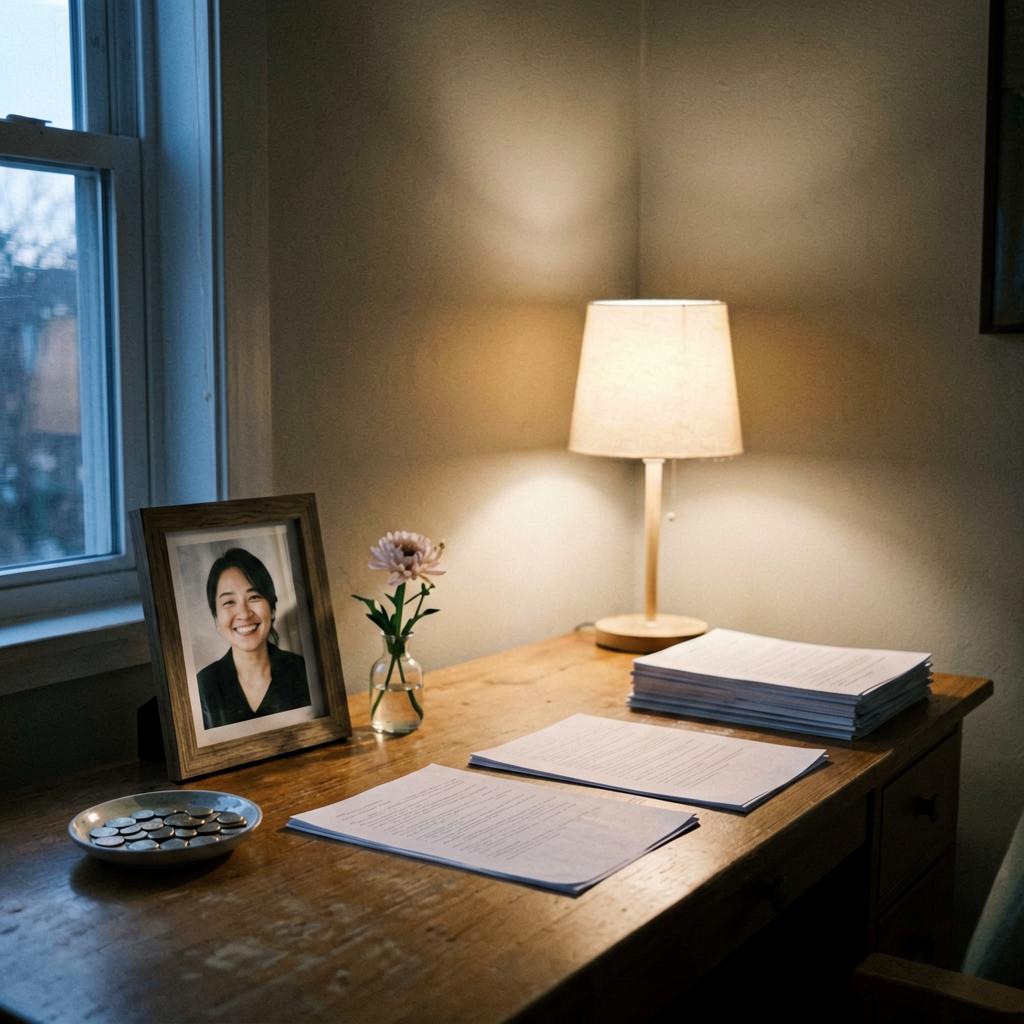
A friend who's into interior stuff suggested I try overlaying a kind of spatial grid—like a map—onto my desk. She said to sit where I normally do, then imagine the desk divided into sections. The far-left corner was supposedly the 'wealth' area, so I cleared it and placed a small dish with coins and a photo of my first big client. I also put a tiny vase with a flower near the front, and moved my lamp to the back-right corner. It felt silly, but I did it.
What Happened
Within a week, I noticed I was actually using the whole desk. The clutter didn't pile up as fast because everything had a spot. I started my day by glancing at the photo of my first client, and it reminded me why I do this. My inbox is still a mess, but I've stopped dreading my desk. I feel more grounded, like I've got a system—even if it's just a made-up map on a table.
Spatial Orientation
| Bagua Sector | 巽 ☴ · Xun |
|---|---|
| Direction | Southeast |
| Element | wood |
What works best here
Xun (4) · Wood. Southeast loves moderate height with an airy, open feel.
Place: tall leafy plants, natural fiber rugs, light wood tones, cream and soft green.
Recommended crystal
Citrine or Green Jade — placed on a wooden side table in the southeast corner
Perfect for a creative workspace or journaling spot; natural light is your friend here
Source Analysis
1. The Original Principle
Original Text
El mapa bagua se puede sobreponer y aplicar a cualquier tipo de estructura, desde enormes edificios a mesas minúsculas. Organizar superficies como el escritorio, el buró o la mesa según las directrices del bagua puede ser determinante para conseguir el éxito y la felicidad diaria. ... Tomemos el núcleo de su lugar de trabajo — el escritorio — como ejemplo. Coja el mapa bagua y extiéndalo sobre su mesa de trabajo. La «entrada» se sitúa en el lugar en el que usted se sienta, probablemente en la parte media frontal, la zona asociada a su carrera profesional. Desde su asiento, fíjese en la esquina izquierda del escritorio que le quede más alejada para localizar la zona asociada a la riqueza. A partir de ahí, puede seguir el mapa sobre el escritorio para determinar el resto de zonas bagua. En la zona relacionada con la riqueza, puede colocar objetos que en general se asocian con la riqueza y la prosperidad, como una calculadora, una caja registradora o un recipiente con monedas. Probablemente también quiera poner ahí cosas directamente relacionadas con su riqueza y opulencia, como el primer billete de un dólar que ganó con su negocio, estampas o muestras de los productos que vende o una fotografía de su principal cliente. Otros objetos que se utilizan a menudo son simbólicos, como un pequeño adorno con agua, un bonito jarrón con flores, un paño...
English Translation
The ancient bagua map can be laid over any surface, from a building to a desk. The desk's front center is the career zone. The far left corner from where you sit is the wealth area—place items linked to prosperity there, like a calculator, coins, or a photo of a client. Other zones correspond to different life aspects.
2. About the Source
Feng shui para Occidente by Terah Kathryn Collins · United States · 1995
Feng Shui for the West is a practical guide that adapts classical Chinese spatial principles for modern Western homes and lifestyles. Written by one of the first American authors to bring Feng Shui to a mainstream English-speaking audience, the book translates ancient Bagua concepts into actionable room-by-room advice using familiar Western design language and contemporary case examples.
3. How This Principle Applies to This Case
This case shows how a simple spatial framework can impose order on chaos. The bagua map is essentially a zoning tool: by assigning meaning to specific desk areas, the user creates a functional system for organizing objects and attention. Modern psychology supports this—clear boundaries and purposeful placement reduce cognitive load and increase a sense of agency. The act of placing a meaningful photo in a designated spot also serves as a visual anchor, boosting motivation. While the map's origins are mystical, its practical effect is to turn a cluttered surface into a structured workspace, which can improve focus and reduce anxiety.
Bring the Purest Energy Into Your Home
Sourced from altitudes above 4,000 meters in the Himalayan range — the highest place on Earth and the closest to the sun. These crystals formed over millions of years in some of the planet's most pristine conditions, untouched by industrial pollution. Each piece carries the raw, unfiltered energy of the mountains. Whether placed on a nightstand, a desk, or a meditation corner, they serve as a quiet anchor — a daily reminder to pause, breathe, and reconnect.
Explore the HIMA ALAÏA collection →Case source
Maureen Calamia
Founder of Luminous Spaces. Blends Feng Shui with biophilic design and nature-inspired spatial psychology.