I Swapped My Bedroom and Home Office and Finally Stopped Procrastinating
When working from home became a nightmare of distractions, I swapped my bedroom and office. The change in focus was immediate and unexpected.
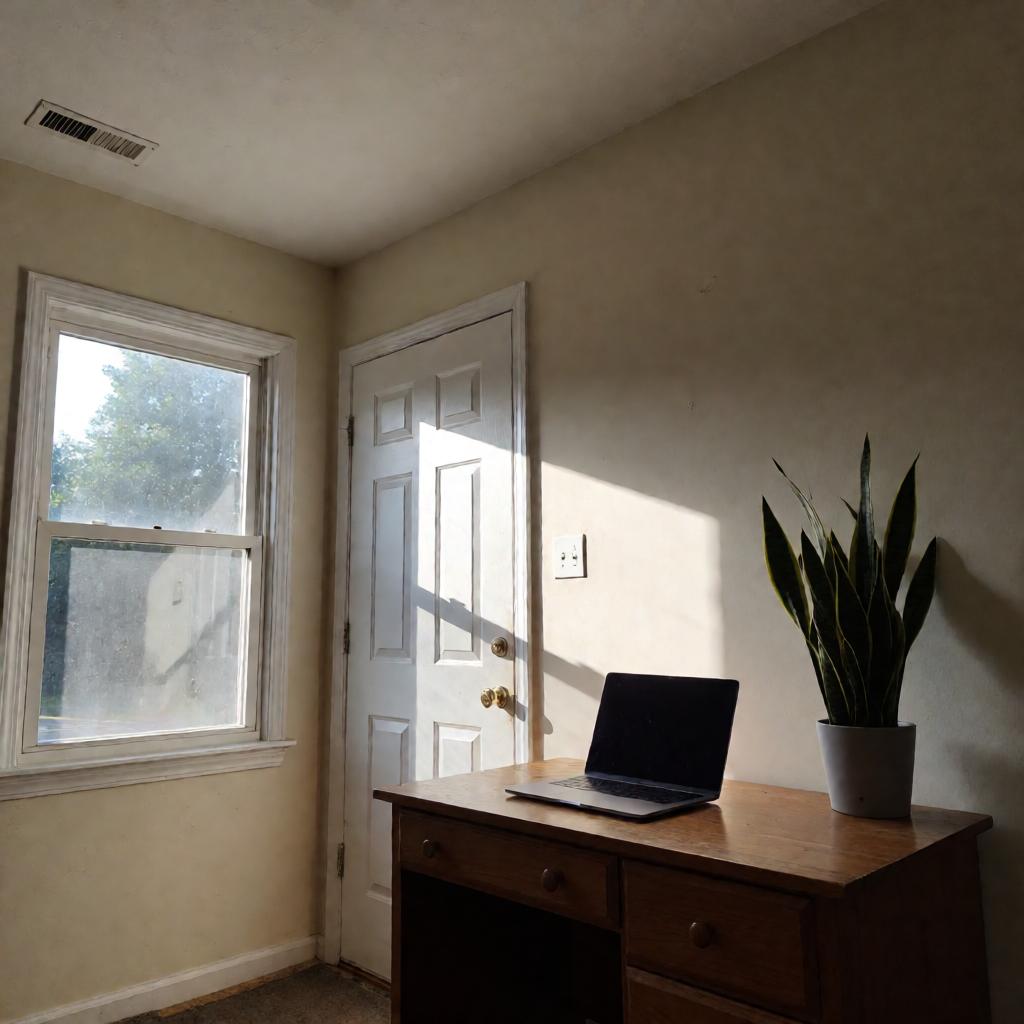
Location
Austin, United States
Property Type
Apartment
Room
Home Office
Direction
Southeast
The Problem
I'd been working from my home office for two years, and lately, I couldn't get anything done. I'd sit at my desk, and my mind would just... drift. I'd rearrange paper clips, suddenly remember I needed to water the plants, or check the fridge for the third time in an hour. The room faced northwest, and it was always either too dark or glaringly bright. I felt scattered, like I was constantly swimming upstream. My partner joked that I had 'office ADHD', but it wasn't funny. Deadlines were slipping, and I was starting to dread the space.
What They Tried
After complaining to a friend who's into interior design, she suggested I try swapping my bedroom and office. At first, I thought she was crazy—who moves their bed to a smaller room? But I was desperate. My office was in the larger room with the northwest window; my bedroom was a smaller, cozier space facing southeast. We spent a weekend hauling furniture. The desk went into the southeast room, and the bed went into the northwest room. I also made sure the desk faced the door, not the wall, and added a small plant.
What Happened
The first week was weird—I kept walking into the wrong room. But by day three, I noticed I could actually sit and work for an hour without getting up. The southeast room gets morning sun, which wakes me up naturally, and the desk position means I see the door, so I don't feel jumpy. My sleep in the northwest room is deeper, too—maybe because it's darker and quieter. I won't say I'm a productivity guru now, but I've stopped procrastinating on big projects. My partner says I seem less frazzled. Honestly, I didn't expect a room swap to make such a difference.
Spatial Orientation
| Bagua Sector | 巽 ☴ · Xun |
|---|---|
| Direction | Southeast |
| Element | wood |
What works best here
Xun (4) · Wood. Southeast loves moderate height with an airy, open feel.
Place: tall leafy plants, natural fiber rugs, light wood tones, cream and soft green.
Recommended crystal
Citrine or Green Jade — placed on a wooden side table in the southeast corner
Perfect for a creative workspace or journaling spot; natural light is your friend here
Source Analysis
1. The Original Principle
Original Chinese
六白一体沙,上中时败家,老父心无主,行事乱如麻,再过辰巽巳,杏仁野桃花,子媳长少绝,定是沙飞斜。
English Translation
In the classical text 'Golden Lock and Jade Gate', the northwest (Qian) direction is associated with the father or male head of household. When this area has 'sha' (high structures or mountains), it can cause the man to feel indecisive and chaotic. The remedy is to reduce height or introduce water elements.
2. About the Source
金锁玉关 by Anonymous (private manuscript) · China · Pre-Song Dynasty (before 960 CE)
The Golden Lock and Jade Pass is an esoteric classical text on residential site analysis, passed down through private manuscripts. It provides a systematic method for evaluating how the surrounding landforms — heights, depressions, and water features in each compass direction — shape the experience of a living space. Its sand-and-water framework remains one of the most practical tools in the landscape assessment tradition.
3. How This Principle Applies to This Case
The classical principle links the northwest (Qian) direction to the male head of household, warning that high structures there can cause mental scatteredness. In this case, the northwest room had a tall window and felt oppressive, aligning with the idea of 'sha'. By moving the office to the southeast, the narrator reduced the influence of that oppressive energy and gained morning light, which modern psychology shows improves focus and mood. The swap also placed the desk in a command position facing the door, reducing anxiety. This demonstrates how directional adjustments can address practical issues like procrastination and sleep.
Bring the Purest Energy Into Your Home
Sourced from altitudes above 4,000 meters in the Himalayan range — the highest place on Earth and the closest to the sun. These crystals formed over millions of years in some of the planet's most pristine conditions, untouched by industrial pollution. Each piece carries the raw, unfiltered energy of the mountains. Whether placed on a nightstand, a desk, or a meditation corner, they serve as a quiet anchor — a daily reminder to pause, breathe, and reconnect.
Explore the HIMA ALAÏA collection →Case source
Domicile Design
30+ years of high-end interior design in Minneapolis. Certified Feng Shui master and Diamond Dowser, specializing in geopathic stress detection and spatial environmental science.