I Was Skeptical About Rearranging My Bedroom for Better Sleep — But Then I Tried It
A Reddit user shares how moving a few pieces of furniture in their bedroom unexpectedly improved their sleep quality.
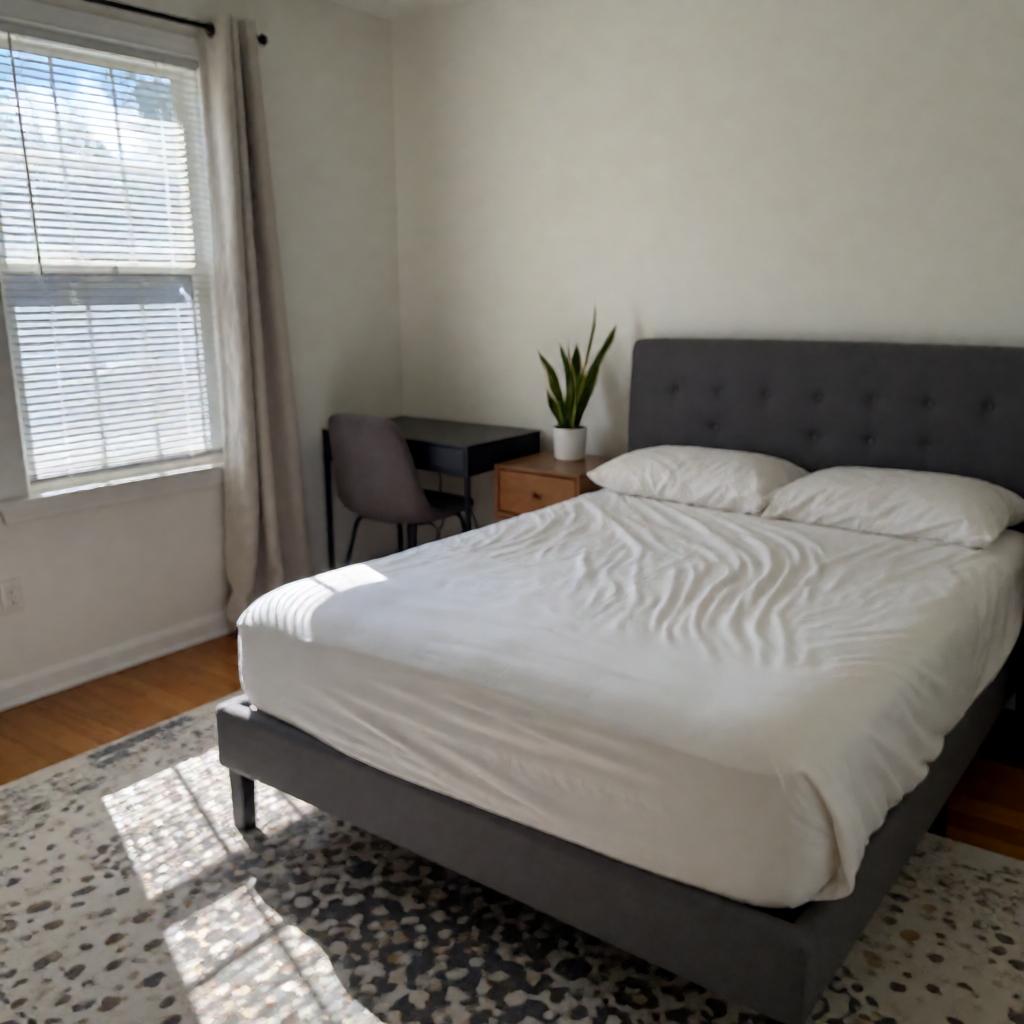
Location
Austin, Texas, United States
Property Type
Apartment
Room
Bedroom
Direction
North
The Problem
I hadn't had a good night's sleep in months. I'd wake up at 3 a.m. almost every night, tossing and turning, and by morning I felt more exhausted than when I went to bed. I tried everything: cutting caffeine, using a white noise machine, even those melatonin gummies. Nothing worked. My bedroom felt oppressive, like the walls were closing in. I dreaded going to bed.
What They Tried
One night, while scrolling through Reddit, I stumbled upon a post about how rearranging furniture can affect sleep. The OP mentioned moving their bed away from the window and putting a plant in the corner. I was skeptical, but desperate. The next weekend, I moved my bed from under the window to the opposite wall, so my headboard was against a solid wall. I also removed the mirror that was facing my bed (it was a cheap $10 mirror from Target) and added a small snake plant on my nightstand. I moved my desk away from the foot of the bed to create more open space.
What Happened
Honestly, I didn't expect much. But within a week, I noticed I was falling asleep faster and waking up less during the night. After a month, I was consistently sleeping through the night. I don't know if it's the placebo effect or what, but my bedroom feels calmer now. I'm not a Feng Shui expert or anything, but this simple change made a huge difference. I still have occasional bad nights, but overall, my sleep has improved dramatically.
Spatial Orientation
| Bagua Sector | 坎 ☵ · Kan |
|---|---|
| Direction | North |
| Element | water |
What works best here
Kan (1) · Water. North side can be slightly taller than South for a grounded feel.
Place: dark-colored ceramics, stone objects, heavy bookshelves.
Recommended crystal
Black Obsidian or Smoky Quartz — placed on a low table or shelf in the north corner
A solid, weighty presence here helps the room feel anchored and secure
Source Analysis
1. The Original Principle
Original Text
En lugar de buscar la parcela de tierra ideal para construir en ella una vida placentera y sin complicaciones, por lo general nos vemos obligados a partir de estructuras o construcciones ya existentes. ... Sin embargo, cuando aplicamos los principios del Feng Shui, nos damos cuenta de que contamos con una inagotable reserva de poderosos y eficaces métodos para intensificar y mejorar el chi y hacer que nuestro entorno sea armonioso.
English Translation
In modern Western environments, we often can't choose the ideal plot of land or build from scratch. Instead, we must work with existing structures. By applying Feng Shui principles, we can tap into a reservoir of effective methods to enhance energy and create harmony in our surroundings.
2. About the Source
Feng shui para Occidente by Terah Kathryn Collins · United States · 1995
Feng Shui for the West is a practical guide that adapts classical Chinese spatial principles for modern Western homes and lifestyles. Written by one of the first American authors to bring Feng Shui to a mainstream English-speaking audience, the book translates ancient Bagua concepts into actionable room-by-room advice using familiar Western design language and contemporary case examples.
3. How This Principle Applies to This Case
This case illustrates how adjusting an existing bedroom layout—moving the bed to a solid wall, removing a mirror, and adding a plant—can improve sleep quality. The classical principle emphasizes enhancing energy flow in existing buildings. Modern psychology supports this: reducing visual stressors (like a mirror reflecting the bed) and creating a sense of security (solid wall behind the head) can lower anxiety and promote relaxation. The narrator's experience aligns with the idea that small environmental tweaks can have meaningful effects on well-being.
Bring the Purest Energy Into Your Home
Sourced from altitudes above 4,000 meters in the Himalayan range — the highest place on Earth and the closest to the sun. These crystals formed over millions of years in some of the planet's most pristine conditions, untouched by industrial pollution. Each piece carries the raw, unfiltered energy of the mountains. Whether placed on a nightstand, a desk, or a meditation corner, they serve as a quiet anchor — a daily reminder to pause, breathe, and reconnect.
Explore the HIMA ALAÏA collection →Case source
Dana
Modern Feng Shui content creator sharing practical spatial tips for everyday life.