Improved Sleep and Comfort in a Cold Bedroom: Feng Shui for a Young Guy's First Apartment
A young man in his first apartment in upstate New York struggled with poor sleep and unease in his cold bedroom. Classical spatial design principles offered adjustments to improve comfort and rest.
Location
United States
Property Type
Apartment
Room
Bedroom
Direction
Unknown
The Problem
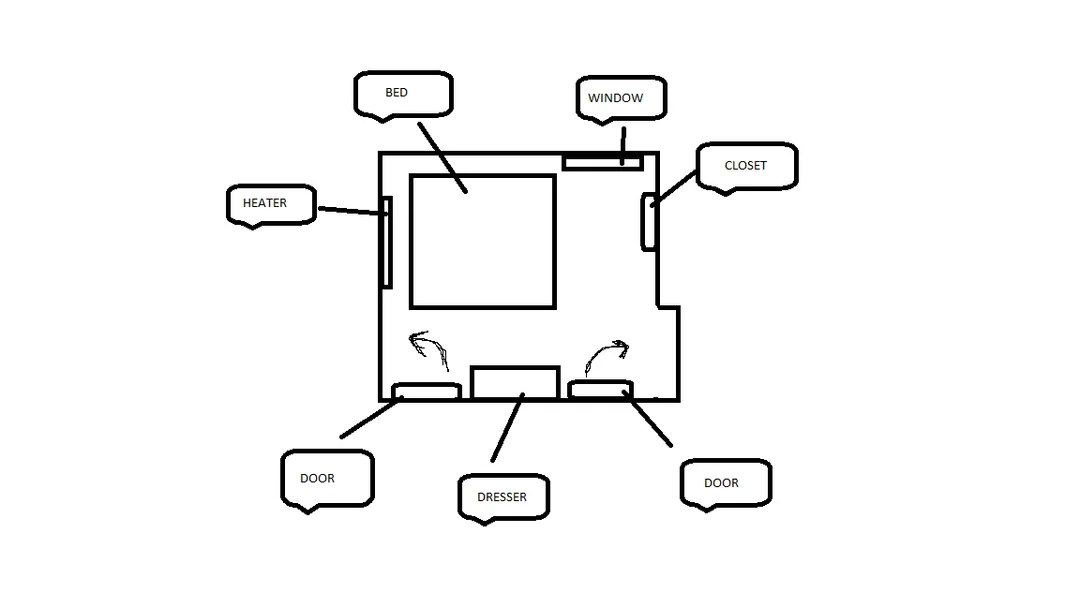
The Problem: A young man recently moved into his first apartment, an older home in upstate New York. The only room with a working heater is his bedroom, but the heat is unreliable, and the space feels cold and uncomfortable at night. He has been experiencing difficulty sleeping and a persistent sense of unease, to the point of locking his bedroom door at night. The room's layout and energy may be contributing to his restlessness and anxiety, as the cold and lack of warmth disrupt both physical comfort and mental calm.
Recommended Actions
What the Principles Recommend: According to classical spatial design principles found in the Eight Mansions Bright Mirror, this bedroom's setup may benefit from several adjustments. First, to counter the cold and unease, introduce warm colors like soft peach or light terracotta through bedding or curtains, as these tones promote comfort and stability. Place a thick, warm-colored rug on the floor to anchor the space and add insulation. Since the heater is the only source of warmth, position the bed away from direct drafts but ensure the headboard is against a solid wall for support. Add a small lamp with a warm-toned bulb on the nightstand to create a cozy, grounding light. Avoid sharp corners or clutter near the bed, and consider a small, safe space heater (if allowed) to balance the room's yin energy. Locking the door may increase anxiety; instead, use a soft doorstop or a calming symbol like a small plant near the entrance to foster a sense of security without barriers.
Expected Improvement
Expected Outcome: Following these principles, improvements may be noticed within a few weeks. Potential benefits include better sleep quality, reduced nighttime unease, and a greater sense of warmth and comfort. The room may feel more inviting and supportive, helping to ease anxiety and promote restful nights.
Source Analysis
1. The Original Principle
Original Chinese
空间设计应避免极端化,无论是过于阴(yin)或过于阳(yang)的设计都不适合居住或工作。极端阴的空间如黑暗、洞穴状、黑色家具、昏暗低矮天花板;极端阳的空间如过大、高天花板、大窗户直射阳光、家具少且棱
2. About the Source
Feng shui para Occidente by Terah Kathryn Collins · United States · 1995
Feng Shui for the West is a practical guide that adapts classical Chinese spatial principles for modern Western homes and lifestyles. Written by one of the first American authors to bring Feng Shui to a mainstream English-speaking audience, the book translates ancient Bagua concepts into actionable room-by-room advice using familiar Western design language and contemporary case examples.
3. How This Principle Applies to This Case
The contributor's experience illustrates the principle described above. The Problem: A young man recently moved into his first apartment, an older home in upstate New York. The only room with a working heater is his bedroom, but the heat is unreliable, and the space feels cold and uncomfortable at night. He has been experiencing difficulty sleeping and a persistent sense of unease, to the point of locking his bedroom door at night. The room's layout and energy may be contributing to his restlessness and anxiety, as the cold and lack of warmth disrupt both physical comfort and mental calm.
Bring the Purest Energy Into Your Home
Sourced from altitudes above 4,000 meters in the Himalayan range — the highest place on Earth and the closest to the sun. These crystals formed over millions of years in some of the planet's most pristine conditions, untouched by industrial pollution. Each piece carries the raw, unfiltered energy of the mountains. Whether placed on a nightstand, a desk, or a meditation corner, they serve as a quiet anchor — a daily reminder to pause, breathe, and reconnect.
Explore the HIMA ALAÏA collection →Case source
Reddit: OracleToTheStars