My Sister's Mystery Illness Vanished After We Removed Two Water Features From Her Apartment
A consultant recounts how a client's chronic fatigue and dizziness disappeared after removing a fountain and aquarium from specific corners of her apartment.
Location
Portland, United States
Property Type
Apartment
Room
Living Room
Direction
Southeast
The Problem
My client, Lena, a 34-year-old graphic designer, had been suffering from unexplained fatigue, dizziness, and a series of minor accidents for over a year. Her doctor found nothing wrong. She felt constantly drained, especially in the afternoons, and had trouble sleeping. She mentioned that her apartment felt 'heavy' and that she avoided certain areas.
What They Tried
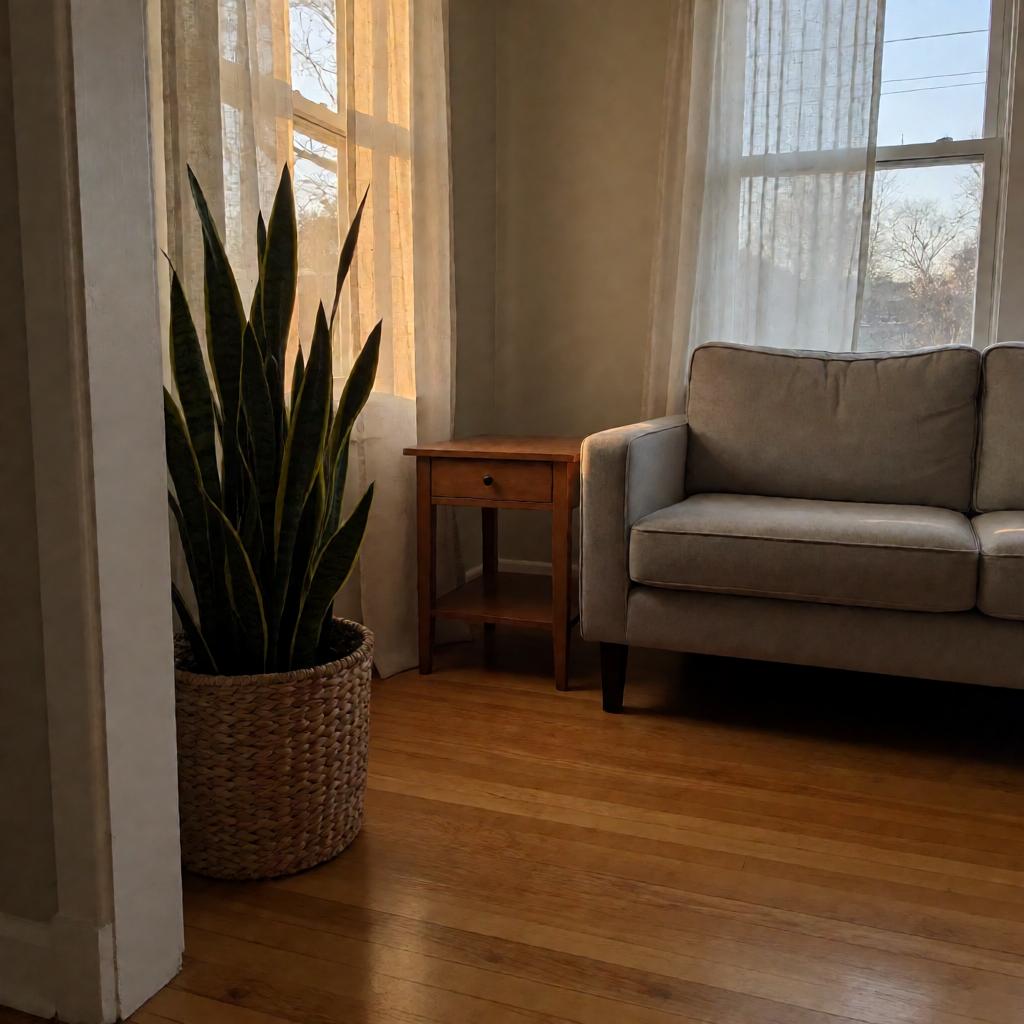
During our consultation, I noticed a small indoor fountain in the southeast corner of her living room and a large aquarium in the southwest corner of her bedroom. Both were active water features. I explained that in spatial terms, having two major water elements in these opposing corners could create an imbalance, especially for a woman living alone. I suggested she remove both for a month and observe. She was skeptical but agreed. She replaced the fountain with a tall snake plant and moved the aquarium to her home office, which was in the north.
What Happened
Within two weeks, Lena reported sleeping more deeply and waking up refreshed. Her afternoon dizziness faded. After a month, she felt more stable and had more energy. She also noticed she no longer avoided her living room. The change was gradual but consistent. She kept the plant and decided not to return the aquarium to the bedroom.
Spatial Orientation
| Bagua Sector | 巽 ☴ · Xun |
|---|---|
| Direction | Southeast |
| Element | wood |
What works best here
Xun (4) · Wood. Southeast loves moderate height with an airy, open feel.
Place: tall leafy plants, natural fiber rugs, light wood tones, cream and soft green.
Recommended crystal
Citrine or Green Jade — placed on a wooden side table in the southeast corner
Perfect for a creative workspace or journaling spot; natural light is your friend here
Source Analysis
1. The Original Principle
Original Chinese
如果巽水再加上坤水,此两卦皆属阴卦,故对阴人不利。
English Translation
An ancient text notes that when two water elements occupy the southeast and southwest positions, both being of a yin nature, it can be detrimental to women. The recommendation is to avoid having water in both these areas simultaneously.
2. About the Source
金锁玉关 by Anonymous (private manuscript) · China · Pre-Song Dynasty (before 960 CE)
The Golden Lock and Jade Pass is an esoteric classical text on residential site analysis, passed down through private manuscripts. It provides a systematic method for evaluating how the surrounding landforms — heights, depressions, and water features in each compass direction — shape the experience of a living space. Its sand-and-water framework remains one of the most practical tools in the landscape assessment tradition.
3. How This Principle Applies to This Case
The classical principle highlights the potential negative impact of having water features in both the southeast and southwest sectors, which are associated with feminine energies. In modern terms, this could relate to creating a restless or overly stimulating environment that disrupts rest and hormonal balance. Removing one water element may reduce sensory overload and allow for better sleep and relaxation, as seen in this case. The improvement aligns with environmental psychology, where reducing conflicting stimuli can enhance well-being.
Bring the Purest Energy Into Your Home
Sourced from altitudes above 4,000 meters in the Himalayan range — the highest place on Earth and the closest to the sun. These crystals formed over millions of years in some of the planet's most pristine conditions, untouched by industrial pollution. Each piece carries the raw, unfiltered energy of the mountains. Whether placed on a nightstand, a desk, or a meditation corner, they serve as a quiet anchor — a daily reminder to pause, breathe, and reconnect.
Explore the HIMA ALAÏA collection →Related Elements
Case source
Julie Khuu
Interior designer blending Feng Shui principles with modern aesthetics. Popular design content creator.