Restless Living Room? Try These Spatial Adjustments for Calm
A resident of a modern apartment experiences restlessness and tension in the living room, especially in the evening. Classical spatial analysis suggests adjustments to the entryway and window area to improve energy flow.
Location
United States
Property Type
Apartment
Room
Living Room
Direction
Unknown
The Problem
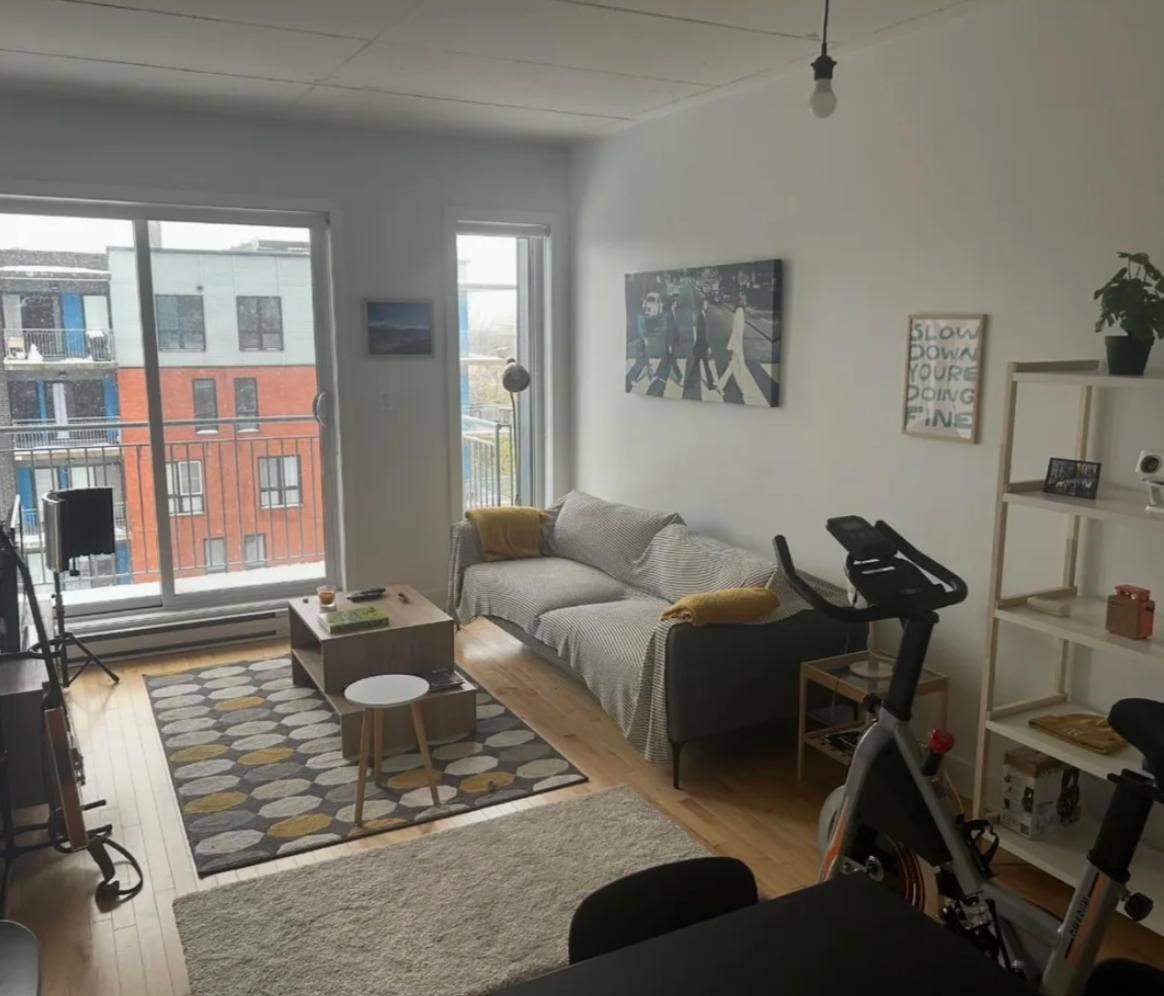
The Problem: A resident has been living in a modern apartment for a year and feels a persistent restlessness and subtle tension in the living room, particularly in the evening. The space does not feel cozy, and the girlfriend shares this feeling. The front door is always visible, which is annoying. Outside, there is a canal to the right and a building directly across. Closing the blind at night feels oppressive, but leaving it open feels better. During the day, the space feels larger and more comfortable. The tension is also sensed in the building's lobby and common areas, suggesting a broader environmental influence. The area near the front door feels most problematic, while the window side is pleasant.
Recommended Actions
What the Principles Recommend: According to classical spatial design principles found in the Eight Mansions Bright Mirror, the entryway should be clear and welcoming to allow chi to flow smoothly. Since the front door is always visible and causes annoyance, consider placing a decorative screen or a tall plant (like a bamboo palm) between the door and the main seating area to soften the direct view. To address the oppressive feeling from the window, use light, sheer curtains that can be drawn during the day to maintain openness and a sense of space, and at night, add a warm-toned lamp near the window to create a cozy glow. For the external canal and building opposite, place a round, faceted crystal ball in the window to diffuse any harsh energy. Avoid sharp corners in the room by adding soft furnishings like a round coffee table or floor cushions. These changes may help reduce tension and create a more harmonious living environment.
Expected Improvement
Expected Outcome: Following these principles, improvements may be noticed within a few weeks. Potential benefits include reduced restlessness, a cozier atmosphere, and better relaxation in the living room. The space may feel more balanced and supportive for both residents.
Source Analysis
1. The Original Principle
Original Chinese
从街道或人行道到住宅大门的路径应清晰、明显且直接,以引导正面能量(chi)顺利进入,并彰显入口的重要性。
English Translation
The path from the street or sidewalk to the main entrance of a home should be clear, visible, and direct. This helps guide positive energy (chi) smoothly into the house and emphasizes the importance of the entryway.
2. About the Source
Feng shui para Occidente by Terah Kathryn Collins · United States · 1995
Feng Shui for the West is a practical guide that adapts classical Chinese spatial principles for modern Western homes and lifestyles. Written by one of the first American authors to bring Feng Shui to a mainstream English-speaking audience, the book translates ancient Bagua concepts into actionable room-by-room advice using familiar Western design language and contemporary case examples.
3. How This Principle Applies to This Case
The contributor's experience illustrates the principle described above. The Problem: A resident has been living in a modern apartment for a year and feels a persistent restlessness and subtle tension in the living room, particularly in the evening. The space does not feel cozy, and the girlfriend shares this feeling. The front door is always visible, which is annoying. Outside, there is a canal to the right and a building directly across. Closing the blind at night feels oppressive, but leaving it open feels better. During the day, the space feels larger and more comfortable. The tension is also sensed in the building's lobby and common areas, suggesting a broader environmental influence. The area near the front door feels most problematic, while the window side is pleasant.
Bring the Purest Energy Into Your Home
Sourced from altitudes above 4,000 meters in the Himalayan range — the highest place on Earth and the closest to the sun. These crystals formed over millions of years in some of the planet's most pristine conditions, untouched by industrial pollution. Each piece carries the raw, unfiltered energy of the mountains. Whether placed on a nightstand, a desk, or a meditation corner, they serve as a quiet anchor — a daily reminder to pause, breathe, and reconnect.
Explore the HIMA ALAÏA collection →