The Pond That Made My Listing Sit for 8 Months — Until We Drained It
A realtor's anxious tale of a suburban split-level that wouldn't sell, until a landscaping tweak on the east side changed everything.
Location
Columbus, Ohio, United States
Property Type
Split-level house
Room
Front yard / Entryway
Direction
East
The Problem
The place was stuck. Eight months, dozens of showings, not one offer. The sellers were frustrated, and frankly, I was starting to wonder if it was the economy or just bad luck.
What They Tried
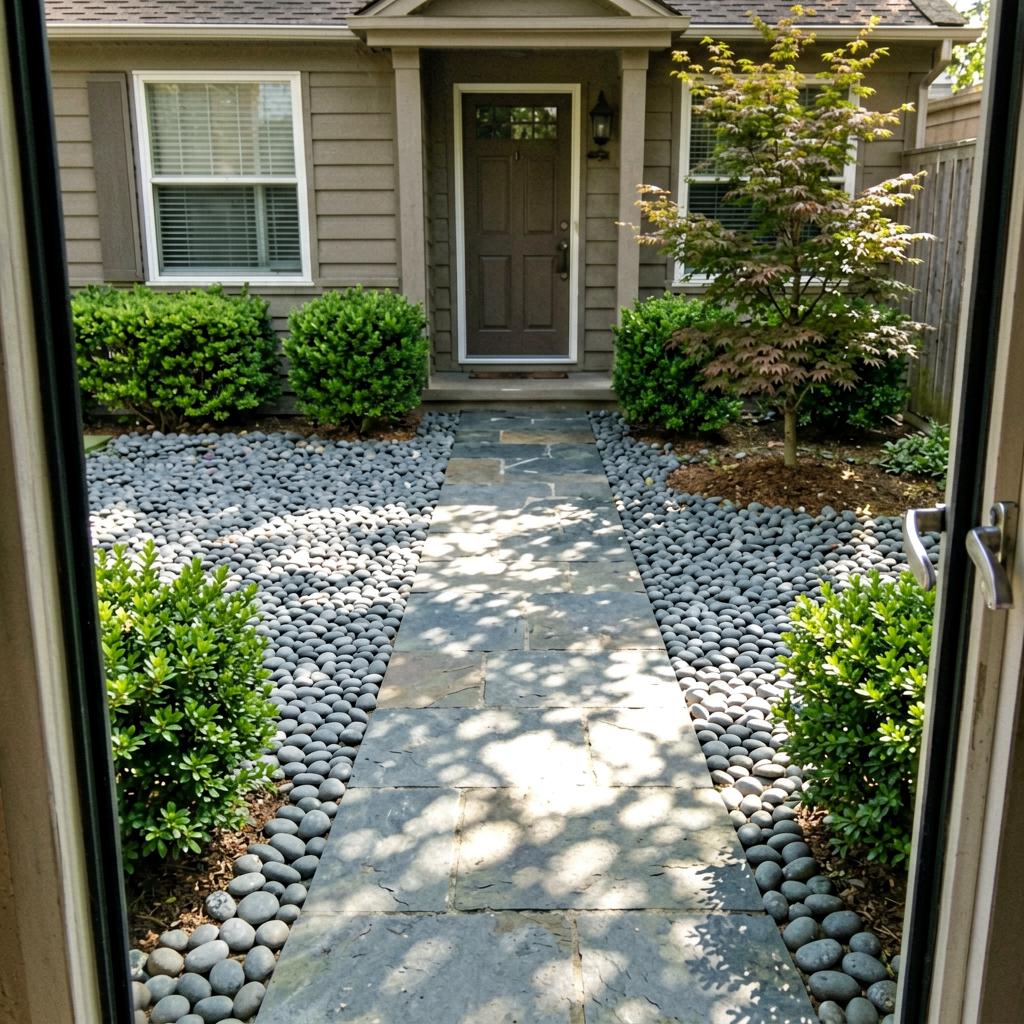
We drained the small decorative pond in the front east corner, filled it with river stones, and planted a row of low shrubs along the border.
What Happened
Within three weeks, we had two competing offers, and the house closed at 5% over asking—a small shift that changed everything.
Spatial Orientation
| Bagua Sector | 震 ☳ · Zhen |
|---|---|
| Direction | East |
| Element | wood |
What works best here
Zhen (3) · Wood. East should be the tallest area of the room when possible.
Place: tall plants (especially bamboo or fiddle-leaf fig), wooden furniture, green accents.
Recommended crystal
Green Aventurine or Moss Agate — placed near a window or on a plant shelf in the east
This is the growth sector — plants thrive here and vertical elements feel natural
Source Analysis
1. The Original Principle
Original Chinese
甲水主贫穷,长房不兴隆,形若斜飞去,定主长绝踪,黄肿大等胀,都应长房宫。
English Translation
In the classical text, water on the east side (the 'Jia' direction) is said to bring hardship to the eldest son and a decline in wealth for the household. The text warns of 'slanted water' that flows away, symbolizing loss and absence. The remedy is to avoid water in that sector or reshape it to be still and contained.
2. About the Source
金锁玉关 by Anonymous (private manuscript) · China · Pre-Song Dynasty (before 960 CE)
The Golden Lock and Jade Pass is an esoteric classical text on residential site analysis, passed down through private manuscripts. It provides a systematic method for evaluating how the surrounding landforms — heights, depressions, and water features in each compass direction — shape the experience of a living space. Its sand-and-water framework remains one of the most practical tools in the landscape assessment tradition.
3. How This Principle Applies to This Case
This case illustrates how environmental features can unconsciously affect buyers' perception. The east side's water feature, while decorative, created a damp, neglected area that felt 'off' during showings—especially in overcast weather. Psychologically, a stagnant pond signals poor maintenance and can trigger unease, activating a primal aversion to still water near the home. By replacing water with stable, dry landscaping, the space read as intentional and cared for, removing a subtle deterrent. While the classical principle frames this as an energetic issue, the mechanism here is straightforward: eliminating a visual and olfactory negative transformed the home's curb appeal and emotional resonance for buyers.
Bring the Purest Energy Into Your Home
Sourced from altitudes above 4,000 meters in the Himalayan range — the highest place on Earth and the closest to the sun. These crystals formed over millions of years in some of the planet's most pristine conditions, untouched by industrial pollution. Each piece carries the raw, unfiltered energy of the mountains. Whether placed on a nightstand, a desk, or a meditation corner, they serve as a quiet anchor — a daily reminder to pause, breathe, and reconnect.
Explore the HIMA ALAÏA collection →Case source
Jemma Salisbury
Feng Shui and home abundance content creator. Helps followers create homes that support their goals.