The Stove Was Pointing at the Wrong Wall — We Flipped It and Sold the House in 11 Days
A realtor shares how repositioning a kitchen stove changed the feel of a listing and helped close a sale faster than expected.
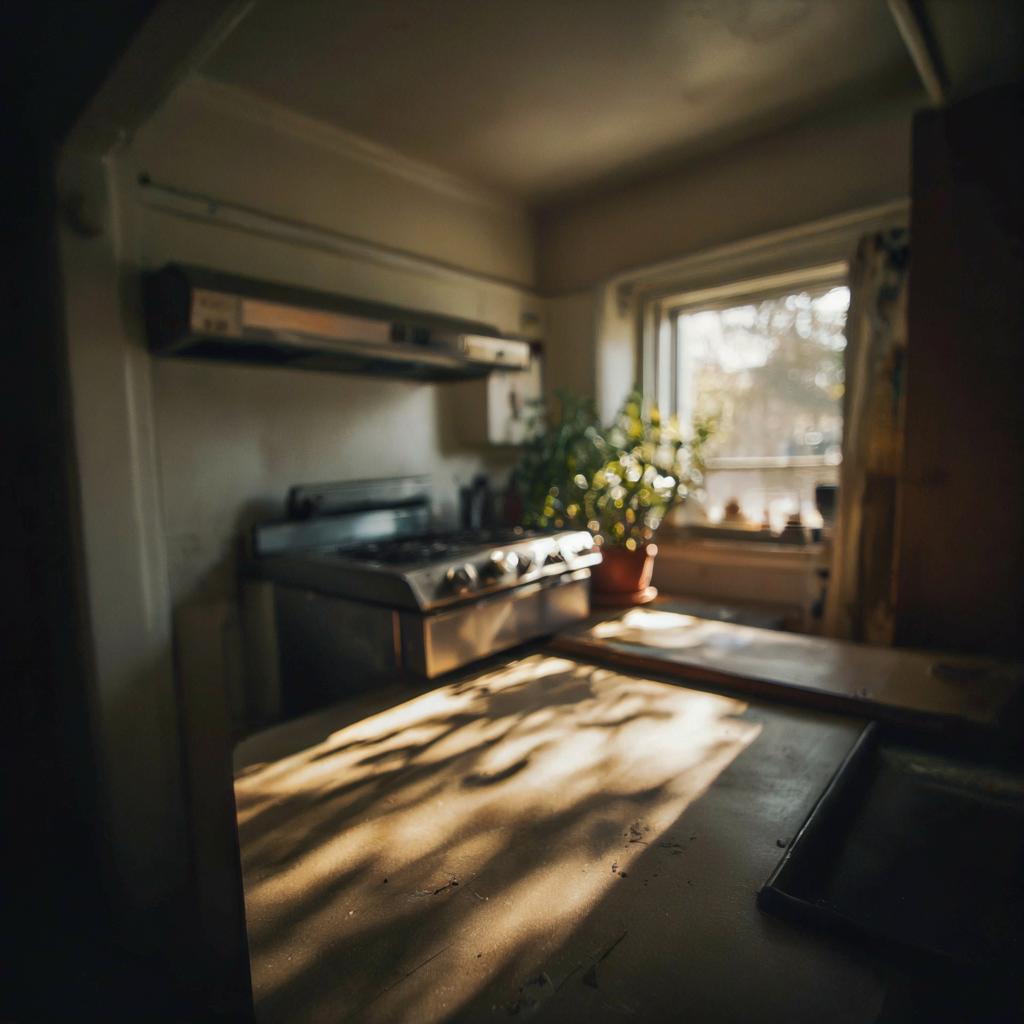
Location
Austin, TX, United States
Property Type
House
Room
Kitchen
Direction
East
The Problem
The house sat on the market for six weeks. Buyers walked in, glanced at the kitchen, and left. The owners were frustrated, and honestly, I was too. The kitchen felt off — cramped, dark, somehow unwelcoming. But I couldn't put my finger on why.
What They Tried
I suggested we move the stove from the north wall to the east wall and angle it so the cook faces the dining room instead of the wall. It was a simple switch — a few hundred dollars for a plumber and a handyman. We also removed a bulky cabinet that blocked the sightline from the entry.
What Happened
The kitchen felt bigger. Brighter. The next open house, two couples lingered in that room, and one made an offer that weekend. We closed 11 days later, above asking.
Spatial Orientation
| Bagua Sector | 震 ☳ · Zhen |
|---|---|
| Direction | East |
| Element | wood |
What works best here
Zhen (3) · Wood. East should be the tallest area of the room when possible.
Place: tall plants (especially bamboo or fiddle-leaf fig), wooden furniture, green accents.
Recommended crystal
Green Aventurine or Moss Agate — placed near a window or on a plant shelf in the east
This is the growth sector — plants thrive here and vertical elements feel natural
Source Analysis
1. The Original Principle
Original Chinese
灶压本命之六煞方,灶口向本命之延年吉方。
English Translation
From a text on residential layouts: To attract prosperity, place the stove in the 'six killings' direction of the homeowner's birth sign, but let the stove opening face the 'prolonged life' direction. This balances negative and positive influences in the kitchen.
2. About the Source
八宅明镜下篇 by Yang Yunsong (attributed) · China · Qing Dynasty (1644–1912 CE)
The Eight Mansions Bright Mirror is one of the most influential classical Chinese texts on residential architecture. For over three centuries, it has served as a foundational reference for understanding how the layout and orientation of living spaces affect the wellbeing of their inhabitants, focusing on how living spaces can be arranged to support health, relationships, and prosperity.
3. How This Principle Applies to This Case
The classical principle focuses on the stove's position and orientation, suggesting that where the cooking fire sits affects household fortune. Modern psychology offers a simpler lens: sightlines and spatial flow influence how people feel in a room. When the cook faces a wall, it creates a closed, tense atmosphere. Turning the stove toward open space makes the kitchen feel social and welcoming—qualities that translate into a buyer's emotional response. The change wasn't mystical; it was about improving the room's perceived energy, which in this case directly impacted the sale.
Bring the Purest Energy Into Your Home
Sourced from altitudes above 4,000 meters in the Himalayan range — the highest place on Earth and the closest to the sun. These crystals formed over millions of years in some of the planet's most pristine conditions, untouched by industrial pollution. Each piece carries the raw, unfiltered energy of the mountains. Whether placed on a nightstand, a desk, or a meditation corner, they serve as a quiet anchor — a daily reminder to pause, breathe, and reconnect.
Explore the HIMA ALAÏA collection →Case source
Anjie Cho Architect & Holistic Spaces
NYC-based architect and BTB Feng Shui master. Co-founder of Mindful Design Feng Shui School. Blends modern interior design with classical BTB Feng Shui. Author of multiple Feng Shui books.