We Bought a Fixer-Upper on a Flood Plain — Then Built the House 4 Feet Higher
A real estate agent's own house was constantly damp and cold. After raising the foundation, the house transformed.
Location
Rural Ohio, United States
Property Type
House
Room
Whole property
Direction
South
The Problem
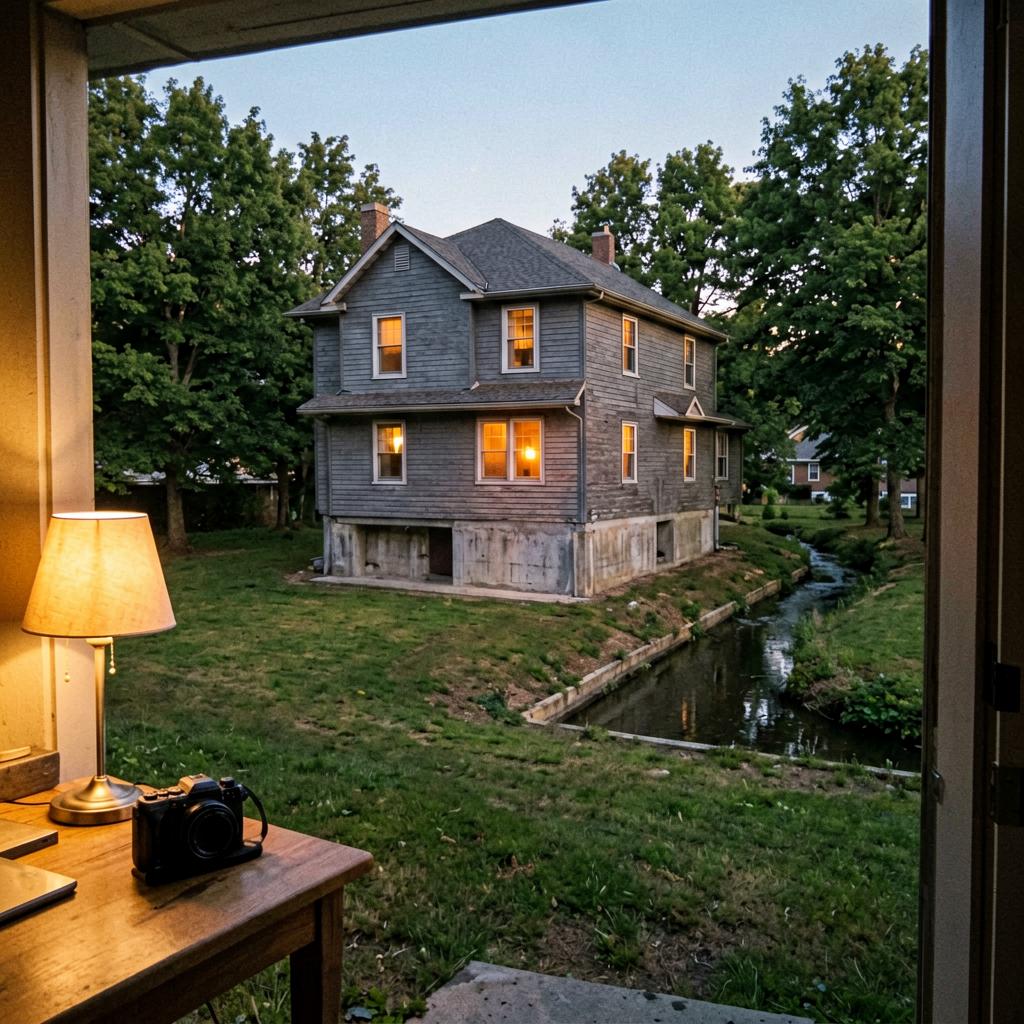
The house sat on a low-lying lot that got soggy every spring. The basement smelled musty, the floors creaked, and the heating bill was ridiculous.
What They Tried
We dug down, poured a new foundation, and lifted the whole structure four feet. Added a French drain and graded the yard toward the back where a small creek runs.
What Happened
The house is dry, warm, and actually feels anchored to the land. The resale value jumped, and the buyers didn't even flinch at the price.
Spatial Orientation
| Bagua Sector | 离 ☲ · Li |
|---|---|
| Direction | South |
| Element | fire |
What works best here
Li (9) · Fire. South should feel more open and lower than North for visual balance.
Place: low-profile furniture, mirrors, glass surfaces, warm lighting.
Recommended crystal
Clear Quartz or Sunstone — placed where it catches natural light, like a windowsill or console table
Mirrors work exceptionally well here — they reflect light and make the room feel larger
Source Analysis
1. The Original Principle
Original Text
En un principio, se utilizó básicamente para localizar lugares adecuados en los que edificar casas o poblados. ... eran los responsables de la ubicación estratégica de las viviendas en lugares relativamente elevados, por encima de los llanos susceptibles de sufrir inundaciones, o todo lo contrario, por debajo de altitudes que hubieran estado expuestas a fuertes vientos, para situarlos, en suma, a salvo y al abrigo de la tierra bendecida por un chi armonioso. ... el tipo de parcela predilecto para la construcción de una vivienda era un lugar llano, nivelado, arropado y protegido por detrás y a ambos lados por montañas, colinas o bosques, de forma similar a la disposición del respaldo y los brazos de una butaca. La tierra descendía entonces desde la parte de delante hasta un nivel más bajo, donde un río, un arroyo, un estanque o un lago completaban la imagen de la ubicación ideal.
English Translation
The ideal building site was flat, elevated, sheltered behind and on both sides by hills or trees, with open ground sloping down to a stream or pond in front.
2. About the Source
Feng shui para Occidente by Terah Kathryn Collins · United States · 1995
Feng Shui for the West is a practical guide that adapts classical Chinese spatial principles for modern Western homes and lifestyles. Written by one of the first American authors to bring Feng Shui to a mainstream English-speaking audience, the book translates ancient Bagua concepts into actionable room-by-room advice using familiar Western design language and contemporary case examples.
3. How This Principle Applies to This Case
This case applies an ancient siting principle: choose high ground with natural shelter. Modern soil engineering and drainage achieve the same protective effect. Raising the house above the flood plain and adding drainage mimics the 'chair' formation—backing and arms of protection, open front. Psychologically, the sense of security from being above flood risk reduced stress and made the house feel like a sanctuary, which is why it appealed to buyers.
Bring the Purest Energy Into Your Home
Sourced from altitudes above 4,000 meters in the Himalayan range — the highest place on Earth and the closest to the sun. These crystals formed over millions of years in some of the planet's most pristine conditions, untouched by industrial pollution. Each piece carries the raw, unfiltered energy of the mountains. Whether placed on a nightstand, a desk, or a meditation corner, they serve as a quiet anchor — a daily reminder to pause, breathe, and reconnect.
Explore the HIMA ALAÏA collection →Case source
Amanda Gibby Peters
Founder of Simple Shui. De-mystifies Feng Shui for the modern American lifestyle with warmth and humor.