We Bought the House on the Same Street as the Old One—and the Stress Just… Lifted
Location
Portland, Oregon, United States
Property Type
Row house
Room
Whole house
Direction
North
The Problem
For three years we lived in a cramped row house on Maple Avenue. The layout was fine on paper, but every room felt slightly off—the living room was always dim, the kitchen too tight, the bedrooms somehow both stuffy and cold. My wife and I argued about nothing constantly. I couldn't focus at work. The house wasn't haunted or broken; it just felt... wrong. We tried painting, new rugs, even a sound machine. Nothing helped.
What They Tried
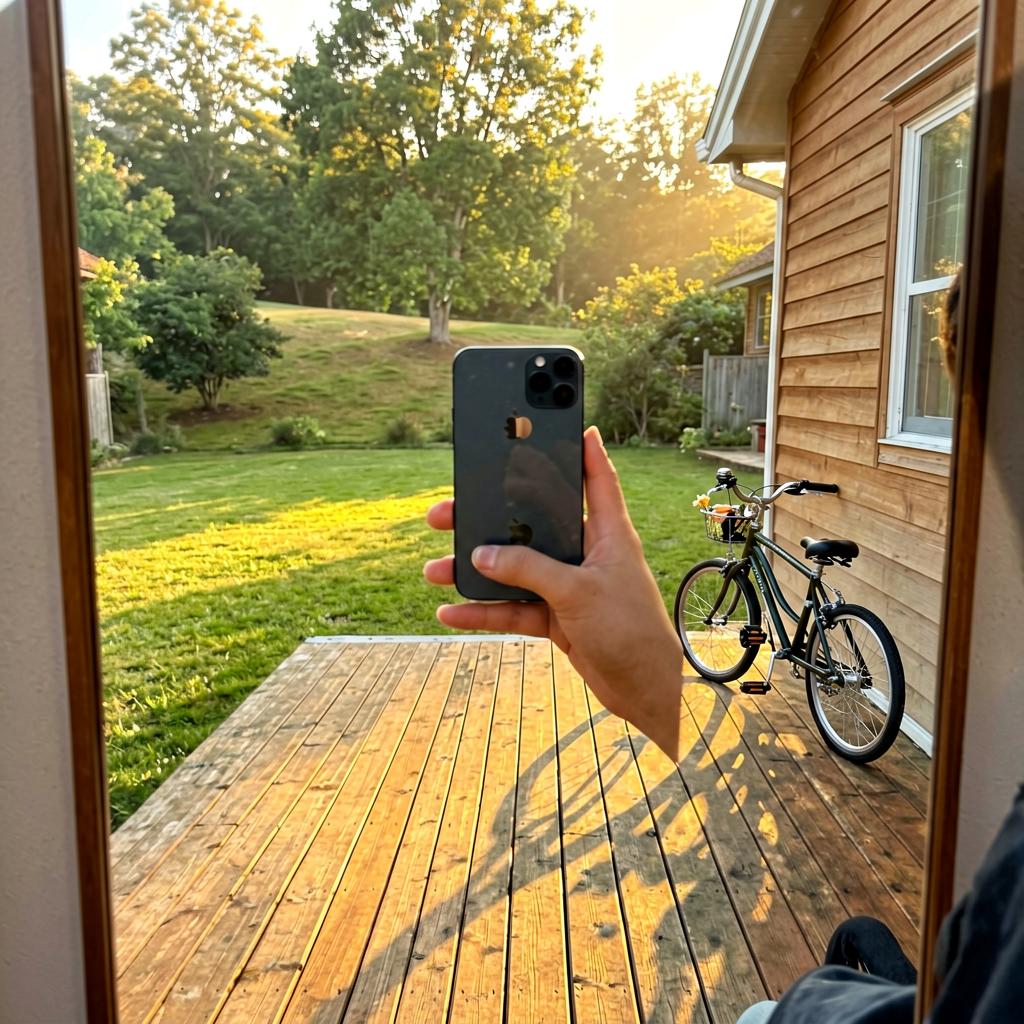
Last spring, we found a house for sale one block over, on the same street, actually—same row, same builder, nearly identical floor plan. We almost dismissed it, but something made us walk through. The rooms were the same size, but the sightlines were different. The backyard sloped gently toward a small wooded hill instead of backing onto a busy alley. We put in an offer that week. Nothing about the interior was 'upgraded'—same dated kitchen, same worn carpet. But we moved in anyway, keeping most of our same furniture.
What Happened
Within a month, the change was noticeable. I started sleeping through the night for the first time in years. My wife stopped snapping at me over small things. Our kids played in the backyard without us hovering. The house isn't bigger or better—it's just on a kinder piece of land, tucked into a slight hollow with that hill behind us. It feels held, not exposed. We didn't change a thing inside until last month, when we finally painted the living room—a color we'd already tried in the old house, but here it actually looks right.
Spatial Orientation
| Bagua Sector | 坎 ☵ · Kan |
|---|---|
| Direction | North |
| Element | water |
What works best here
Kan (1) · Water. North side can be slightly taller than South for a grounded feel.
Place: dark-colored ceramics, stone objects, heavy bookshelves.
Recommended crystal
Black Obsidian or Smoky Quartz — placed on a low table or shelf in the north corner
A solid, weighty presence here helps the room feel anchored and secure
Source Analysis
1. The Original Principle
Original Chinese
同气然后求之,何必十分之厚陇。
English Translation
A classical text on site selection advises that when a dwelling shares the same mountain lineage as its surroundings, one need only seek a supportive, embracing relation—not an imposing or grand formation. The key is a modest, protective connection rather than ostentatious features.
2. About the Source
雪心赋 论山水 by Bu Yingtian · China · Tang Dynasty (618–907 CE)
The Snow Heart Rhapsody is a poetic yet rigorously analytical classical text on landscape assessment. Written in rhymed prose, it covers mountain forms, water patterns, terrain energy, and site selection with remarkable literary elegance. Its observations about how land contours create sheltered, comfortable settings for human habitation remain relevant to modern site planning and environmental psychology.
3. How This Principle Applies to This Case
This case illustrates a principle about site selection: when a home shares its 'lineage' with the land around it—here, the same street and similar topography—it only needs a modest, supportive setting. The new house sits in a slight hollow with a hill behind, creating a sense of enclosure. Modern environmental psychology supports this: people feel safer and less stressed in spaces with a 'back'—a physical or visual anchor—and open yet protected sightlines. The previous house backed onto a busy alley, which likely triggered subtle, chronic vigilance. The move to a quieter, more sheltered position reduced that unconscious stress, improving sleep and mood. The classical text's emphasis on 'affection' over grandeur aligns with research on restorative environments: modest, natural features like a gentle slope and greenery can lower cortisol and enhance well-being.
Bring the Purest Energy Into Your Home
Sourced from altitudes above 4,000 meters in the Himalayan range — the highest place on Earth and the closest to the sun. These crystals formed over millions of years in some of the planet's most pristine conditions, untouched by industrial pollution. Each piece carries the raw, unfiltered energy of the mountains. Whether placed on a nightstand, a desk, or a meditation corner, they serve as a quiet anchor — a daily reminder to pause, breathe, and reconnect.
Explore the HIMA ALAÏA collection →Case source
RD Chin, Feng Shui Architect
NYC licensed architect, Feng Shui master, and published author. Worked under legendary architect Paul Rudolph. Specializes in complex residential and commercial blueprint Feng Shui assessment and spatial flow micro-adjustments. Conducts Feng Shui public courses across the US.