We Chose the House Next to the Slow Creek — Our Sleep and Mood Shifted in a Month
A couple moves to a home beside a slow-moving creek and notices calmer sleep and less daily stress compared to their previous place near a rushing stream.
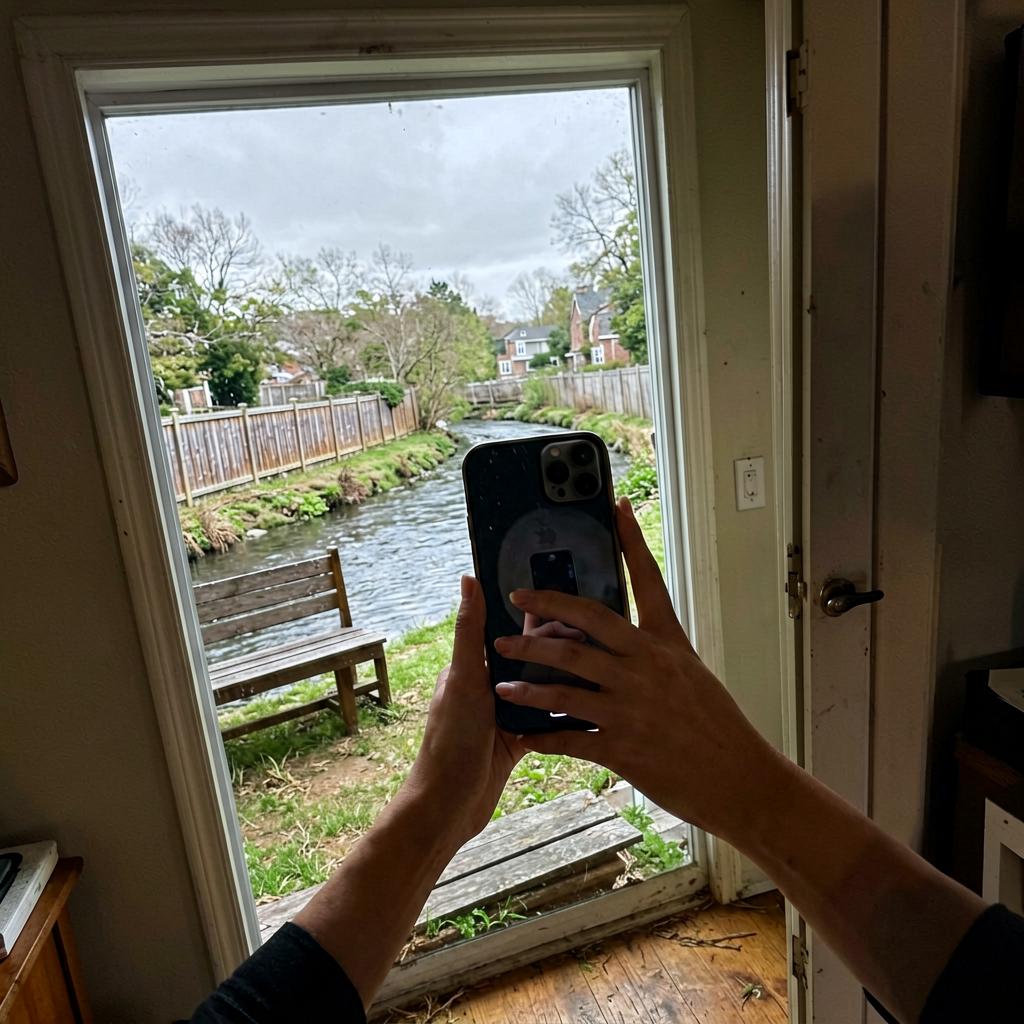
Location
Boulder, Colorado, United States
Property Type
House
Room
Backyard
Direction
West
The Problem
We used to live next to a fast, noisy stream. The constant rush kept me on edge, and I woke up tired every morning. My partner and I argued over small things, and we both blamed the cramped apartment. But deep down, I suspected the sound was part of it.
What They Tried
When we looked for a new place, we deliberately chose a home where the water moved slowly—a quiet creek that meandered behind the backyard. The realtor thought we were odd. We didn't care. We positioned our bedroom to face the creek, with the window slightly open at night.
What Happened
Within three weeks, I slept through the night for the first time in months. The slow gurgle felt soothing, not jarring. We stopped snapping at each other. It wasn't magic—just a calmer environment. I still wake at 6 AM, but I feel rested.
Spatial Orientation
| Bagua Sector | 兑 ☱ · Dui |
|---|---|
| Direction | West |
| Element | metal |
What works best here
Dui (7) · Metal. West should be lower and more open than East for left-right equilibrium.
Place: low cabinets, metal decor (brass, copper, steel), round shapes, white and grey tones.
Recommended crystal
Clear Quartz or Selenite — placed on a low console or side table in the west
Round shapes and metallic finishes feel especially at home on this side of the room
Source Analysis
1. The Original Principle
Original Chinese
一来一去,有福有灾;一急一缓,有利有害。
English Translation
An old text on landforms observes that water's arrival and departure, its speed and gentleness, influence fortune and misfortune. A gentle, unhurried flow brings benefit; a rapid, harsh current brings harm. Choosing a site where water curves kindly and moves at a moderate pace is favorable.
2. About the Source
雪心赋 论山水 by Bu Yingtian · China · Tang Dynasty (618–907 CE)
The Snow Heart Rhapsody is a poetic yet rigorously analytical classical text on landscape assessment. Written in rhymed prose, it covers mountain forms, water patterns, terrain energy, and site selection with remarkable literary elegance. Its observations about how land contours create sheltered, comfortable settings for human habitation remain relevant to modern site planning and environmental psychology.
3. How This Principle Applies to This Case
This case reflects a simple environmental principle: the pace of surrounding water affects human well-being. The classical text linked water's speed and direction to fortune, but the mechanism here is sensory. Fast, turbulent water produces higher-frequency noise and stress responses. Slow-moving water generates lower, more rhythmic sounds that cue relaxation. Modern research on soundscapes supports this—gentle water sounds lower cortisol and improve sleep. The couple didn't change their habits; they changed their auditory environment. The result—better rest and fewer arguments—aligns with what the old observation intuited: a moderate, kind water flow supports a settled life.
Bring the Purest Energy Into Your Home
Sourced from altitudes above 4,000 meters in the Himalayan range — the highest place on Earth and the closest to the sun. These crystals formed over millions of years in some of the planet's most pristine conditions, untouched by industrial pollution. Each piece carries the raw, unfiltered energy of the mountains. Whether placed on a nightstand, a desk, or a meditation corner, they serve as a quiet anchor — a daily reminder to pause, breathe, and reconnect.
Explore the HIMA ALAÏA collection →Case source
Nicolette Vajtay
Feng Shui consultant helping clients transform their homes through intentional spatial design.