We Moved Our Kitchen Away from the South Wall and the Arguments Stopped
A couple's constant bickering over dinner finally ended after they relocated their kitchen setup away from the southern wall—here's what happened.
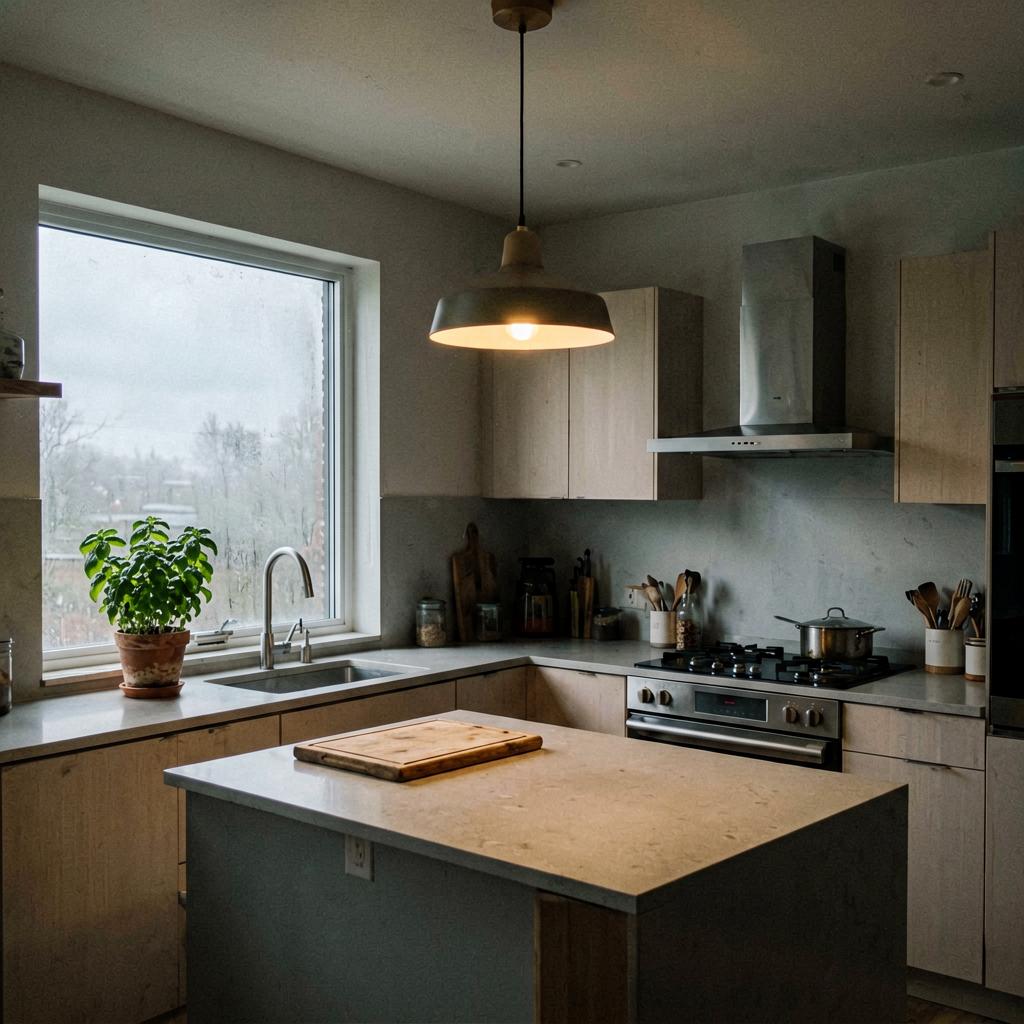
Location
Portland, OR, United States
Property Type
Apartment
Room
Kitchen
Direction
North
The Problem
My partner and I were fighting every single night. It wasn't about anything big—just stupid stuff, like who left the dishes out or why the pasta was overcooked. But it was relentless. We'd sit down to eat, and within five minutes, one of us was sulking. I started dreading dinner. The kitchen itself was fine, or so I thought. It was a standard galley layout with the stove against the south wall, right next to a window that faced the neighbor's driveway.
What They Tried
A friend who does home staging came over one afternoon and pointed at the stove. 'That's your problem,' she said. 'You've got fire and heat right up against the wall where the sun beats in all day. It's like cooking inside a pressure cooker.' She suggested we move the stove to the north side of the room, even if it meant losing a bit of counter space. We hired a handyman, rerouted the gas line, and shifted the whole cooking zone. It took a weekend, and honestly, I thought it was nonsense. But we did it anyway.
What Happened
The first week, I didn't notice much. By the second week, we were having dinner without a single argument. By the end of the month, we'd eaten together every night without any sulking. The kitchen felt cooler, literally—the temp near the stove dropped by several degrees. But the real change was in us. We stopped snapping at each other. Maybe it was the novelty, or maybe it was the fact that we weren't both sweating over a hot stove while staring at a glaring window. I don't know. But the arguments stopped, and they haven't come back.
Spatial Orientation
| Bagua Sector | 坎 ☵ · Kan |
|---|---|
| Direction | North |
| Element | water |
What works best here
Kan (1) · Water. North side can be slightly taller than South for a grounded feel.
Place: dark-colored ceramics, stone objects, heavy bookshelves.
Recommended crystal
Black Obsidian or Smoky Quartz — placed on a low table or shelf in the north corner
A solid, weighty presence here helps the room feel anchored and secure
Source Analysis
1. The Original Principle
Original Chinese
九紫全体沙,下元是败家,绝二又绝长,四九配交叉,五官形不正,难比施公斜,壬子癸水照,断定是绝家,无论阴阳宅,切忌犯离沙,九灶与九路,切宜改换它。
2. About the Source
金锁玉关 by Anonymous (private manuscript) · China · Pre-Song Dynasty (before 960 CE)
The Golden Lock and Jade Pass is an esoteric classical text on residential site analysis, passed down through private manuscripts. It provides a systematic method for evaluating how the surrounding landforms — heights, depressions, and water features in each compass direction — shape the experience of a living space. Its sand-and-water framework remains one of the most practical tools in the landscape assessment tradition.
3. How This Principle Applies to This Case
The classical text warns against placing fire-related elements (like a stove) in the southern sector, which is traditionally associated with recognition and warmth. In this case, the south-facing window compounded the issue by adding direct sunlight, creating an overheated, stressful cooking environment. Modern environmental psychology supports this: excessive heat and glare are known to increase irritability and reduce patience, which can escalate minor disagreements into full-blown arguments. By relocating the stove to the north, the couple removed a physical stressor, making the space more comfortable and conducive to calm interaction. The change wasn't mystical—it was practical. But the result was a measurable improvement in their daily lives.
Bring the Purest Energy Into Your Home
Sourced from altitudes above 4,000 meters in the Himalayan range — the highest place on Earth and the closest to the sun. These crystals formed over millions of years in some of the planet's most pristine conditions, untouched by industrial pollution. Each piece carries the raw, unfiltered energy of the mountains. Whether placed on a nightstand, a desk, or a meditation corner, they serve as a quiet anchor — a daily reminder to pause, breathe, and reconnect.
Explore the HIMA ALAÏA collection →Case source
Laura Cerrano
Second-generation Feng Shui master. Integrates classical Feng Shui with quantum physics and geomancy for NYC clients.