We Swapped Our Bedroom and Home Office — My Husband Stopped Snapping at 9 AM
A consultant helps a couple rearrange their apartment so the noisy front room becomes a workspace and the quiet back room becomes a bedroom. The result: better sleep, less morning friction.
Location
Portland, OR, United States
Property Type
Apartment
Room
Bedroom
Direction
North
The Problem
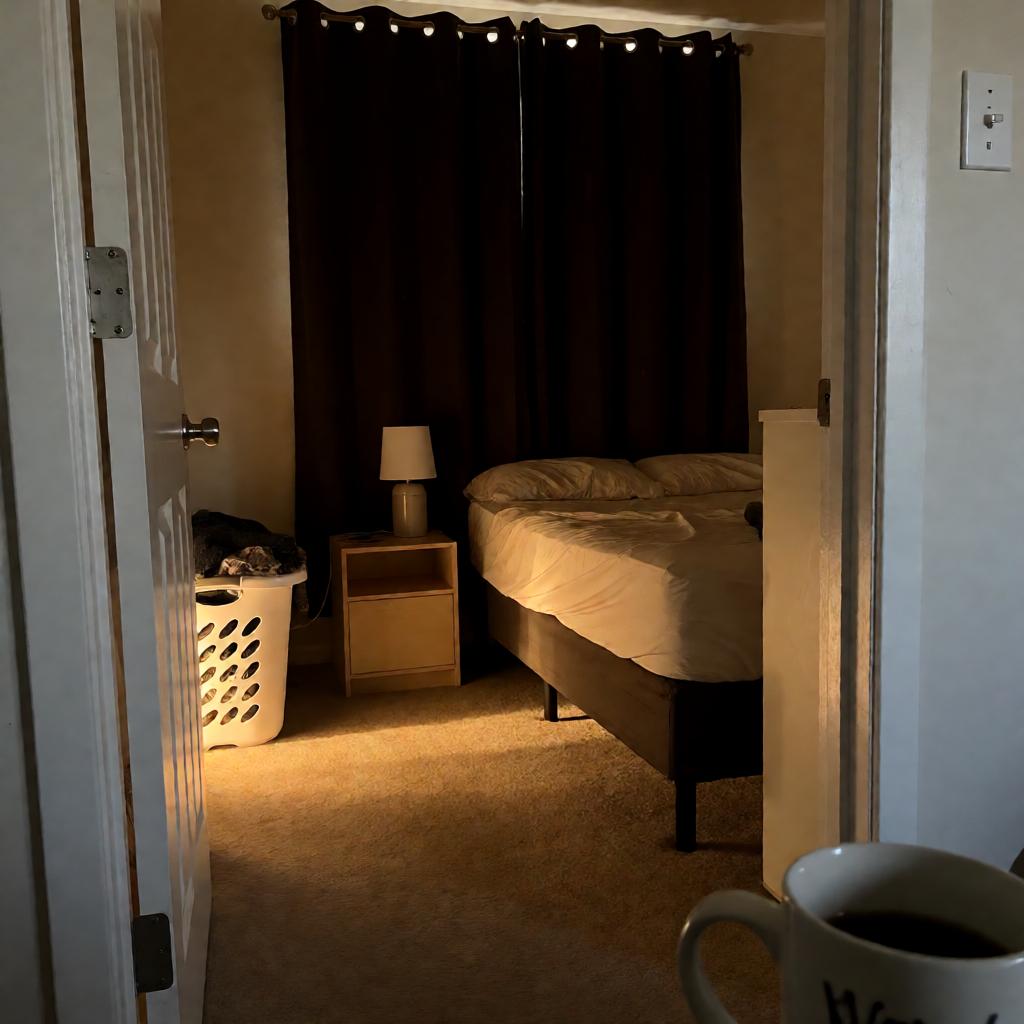
Maya and Tom had a two-bedroom apartment. Their bedroom was at the front, right above the street. Their home office was at the back, facing a quiet courtyard. Tom was waking up exhausted, and by 9 AM he was already irritable. Maya couldn't focus on her writing because the office felt too secluded and sleepy. They blamed each other's habits, not the layout.
What They Tried
I suggested they swap rooms. Move the bed to the back bedroom, and move the desks to the front room. It was a simple physical change — no new furniture, no renovation. Just a different arrangement of the same square footage.
What Happened
Within two weeks, Tom reported sleeping through the night for the first time in months. Maya found the front office's street noise actually helped her stay alert. They still argue sometimes, but not before coffee.
Spatial Orientation
| Bagua Sector | 坎 ☵ · Kan |
|---|---|
| Direction | North |
| Element | water |
What works best here
Kan (1) · Water. North side can be slightly taller than South for a grounded feel.
Place: dark-colored ceramics, stone objects, heavy bookshelves.
Recommended crystal
Black Obsidian or Smoky Quartz — placed on a low table or shelf in the north corner
A solid, weighty presence here helps the room feel anchored and secure
Source Analysis
1. The Original Principle
Original Text
El chi más activo se encuentra en las habitaciones situadas en la fachada del edificio. Si el espacio más adelantado es el garaje, entonces éste será el lugar más activo. Si se trata del salón, en una vivienda, o de los despachos en una empresa, estas estancias serán las más activas... Lo que no suele funcionar es tener un dormitorio en la parte delantera de la casa o un despacho o estudio en la parte trasera. Del mismo modo, emplazar los lugares de mayor actividad laboral en la parte trasera del edificio de una empresa va contra la forma natural de fluir del chi.
English Translation
A classical principle observes that the most active part of a building is its front, facing the street. Quiet activities like sleep belong at the back. Placing a bedroom in the active front or a workspace in the quiet back goes against the natural flow of the home.
2. About the Source
Feng shui para Occidente by Terah Kathryn Collins · United States · 1995
Feng Shui for the West is a practical guide that adapts classical Chinese spatial principles for modern Western homes and lifestyles. Written by one of the first American authors to bring Feng Shui to a mainstream English-speaking audience, the book translates ancient Bagua concepts into actionable room-by-room advice using familiar Western design language and contemporary case examples.
3. How This Principle Applies to This Case
This case illustrates the classical principle of front-back spatial organization. The text notes that active rooms (living, working) naturally belong where the building meets the street, while restful rooms belong deeper inside. Modern environmental psychology supports this: noise and light from the street disrupt sleep, while secluded workspaces can feel isolating and reduce alertness. By swapping the bedroom and office, the couple aligned their daily activities with the building's inherent rhythms, reducing friction without willpower.
Bring the Purest Energy Into Your Home
Sourced from altitudes above 4,000 meters in the Himalayan range — the highest place on Earth and the closest to the sun. These crystals formed over millions of years in some of the planet's most pristine conditions, untouched by industrial pollution. Each piece carries the raw, unfiltered energy of the mountains. Whether placed on a nightstand, a desk, or a meditation corner, they serve as a quiet anchor — a daily reminder to pause, breathe, and reconnect.
Explore the HIMA ALAÏA collection →Case source
Laura Cerrano
Second-generation Feng Shui master. Integrates classical Feng Shui with quantum physics and geomancy for NYC clients.