What Happened When I Stopped Ignoring That Dripping Pipe In The Southwest Corner — My Home Office Nightmare Ended
After months of feeling drained and fighting with my husband in our home office, I finally fixed a leaky pipe in the southwest corner. The difference was immediate — and not just for the water bill.
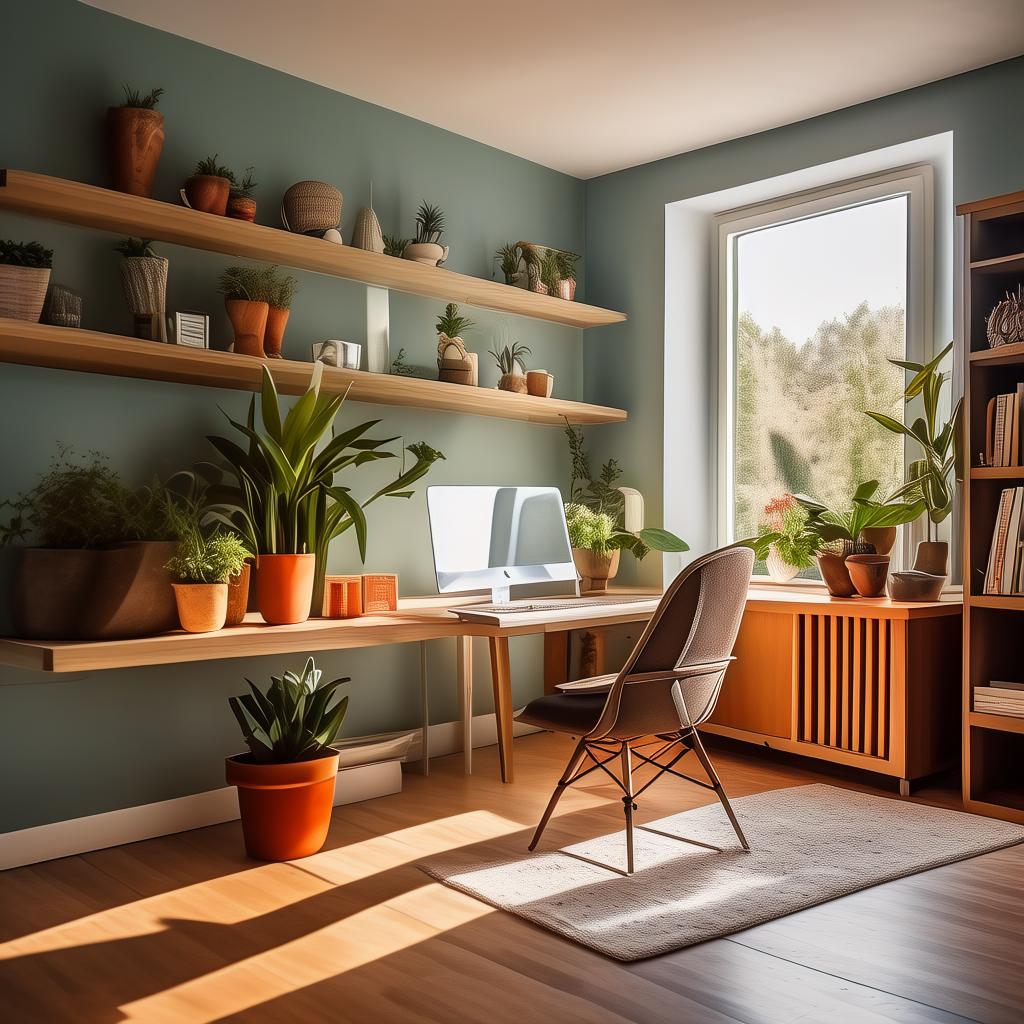
Location
Portland, Oregon, United States
Property Type
Bungalow
Room
Home Office
Direction
Southwest
The Problem
My husband and I share a home office in our 1920s bungalow. It's the southwest room, and for about a year, we both felt like we were dragging ourselves through the workday. I was constantly tired, he was irritable, and we'd snap at each other over nothing — who left the coffee mug, whose turn it was to water the plant. The room itself felt heavy. I blamed the old radiator, the lack of natural light, the beige paint. Then I noticed a faint musty smell near the baseboard in the southwest corner. A plumber found a slow leak in a pipe inside the wall. It had been dripping for months, maybe longer, into the crawl space.
What They Tried
We fixed the leak. It cost $350 and took an afternoon. The plumber also replaced a section of damp drywall. I aired out the room for two days with a fan. Then I moved my desk — which had been pushed against that southwest wall — to the opposite side of the room, facing the door. I put a small, healthy snake plant on the corner shelf where the damp spot had been.
What Happened
Within a week, the musty smell was gone. The room felt lighter, but more importantly, I stopped waking up with a headache. My husband noticed he wasn't as tense during our shared work hours. We've had exactly two real arguments in the past month, down from almost weekly. I can't prove the pipe caused the arguing, but I don't have to — the change speaks for itself.
Spatial Orientation
| Bagua Sector | 坤 ☷ · Kun |
|---|---|
| Direction | Southwest |
| Element | earth |
What works best here
Kun (2) · Earth. Southwest favors grounded, low-profile arrangements that feel intimate.
Place: low cozy seating, plush textiles, warm indirect lamps, soft pink and terracotta.
Recommended crystal
Rose Quartz or Pink Tourmaline — placed on a nightstand or low shelf in the southwest
This area supports comfort and connection — a perfect spot for a reading chair or small sofa
Source Analysis
1. The Original Principle
Original Chinese
二黑水当先,巫婆小姑仙,水龙入兑位,阴邪一处眠,流神通丙午,儿郎死父前,形如三岔口,飞刃妇身边。
English Translation
A classical text describes a situation where water in the southwest sector of a home can lead to a sense of heaviness, ill health, and interpersonal conflict. The recommendation is to address the source of the water and adjust the arrangement of the space to restore balance.
2. About the Source
金锁玉关 by Anonymous (private manuscript) · China · Pre-Song Dynasty (before 960 CE)
The Golden Lock and Jade Pass is an esoteric classical text on residential site analysis, passed down through private manuscripts. It provides a systematic method for evaluating how the surrounding landforms — heights, depressions, and water features in each compass direction — shape the experience of a living space. Its sand-and-water framework remains one of the most practical tools in the landscape assessment tradition.
3. How This Principle Applies to This Case
This case illustrates a principle from a classical text that associates stagnant or hidden water in the southwest area of a home with feelings of fatigue, irritability, and strained relationships among occupants. The mechanism is likely environmental: a slow leak creates dampness, which can cause mold growth, leading to poor indoor air quality and physical symptoms like headaches and lethargy. The psychological impact of a 'heavy' room — with its musty smell and invisible problem — contributes to mental fog and interpersonal tension. By fixing the physical source of water and repositioning the desk to face the door (improving sightlines and a sense of control), the occupants experienced measurable improvements in mood and conflict frequency.
Bring the Purest Energy Into Your Home
Sourced from altitudes above 4,000 meters in the Himalayan range — the highest place on Earth and the closest to the sun. These crystals formed over millions of years in some of the planet's most pristine conditions, untouched by industrial pollution. Each piece carries the raw, unfiltered energy of the mountains. Whether placed on a nightstand, a desk, or a meditation corner, they serve as a quiet anchor — a daily reminder to pause, breathe, and reconnect.
Explore the HIMA ALAÏA collection →Related Elements
Case source
Maureen Calamia
Founder of Luminous Spaces. Blends Feng Shui with biophilic design and nature-inspired spatial psychology.