What Happened When We Ripped Out the Store's Middle Aisle and Let Customers Walk Where They Wanted
Location
Austin, United States
Property Type
Retail storefront
Room
Shop
Direction
Southeast
The Problem
The listing sat for six weeks. Every open house, people walked in, took two steps, and sort of... hovered. Then they left. We couldn't figure it out. The place was clean, bright, priced right. But no one stayed more than three minutes.
What They Tried
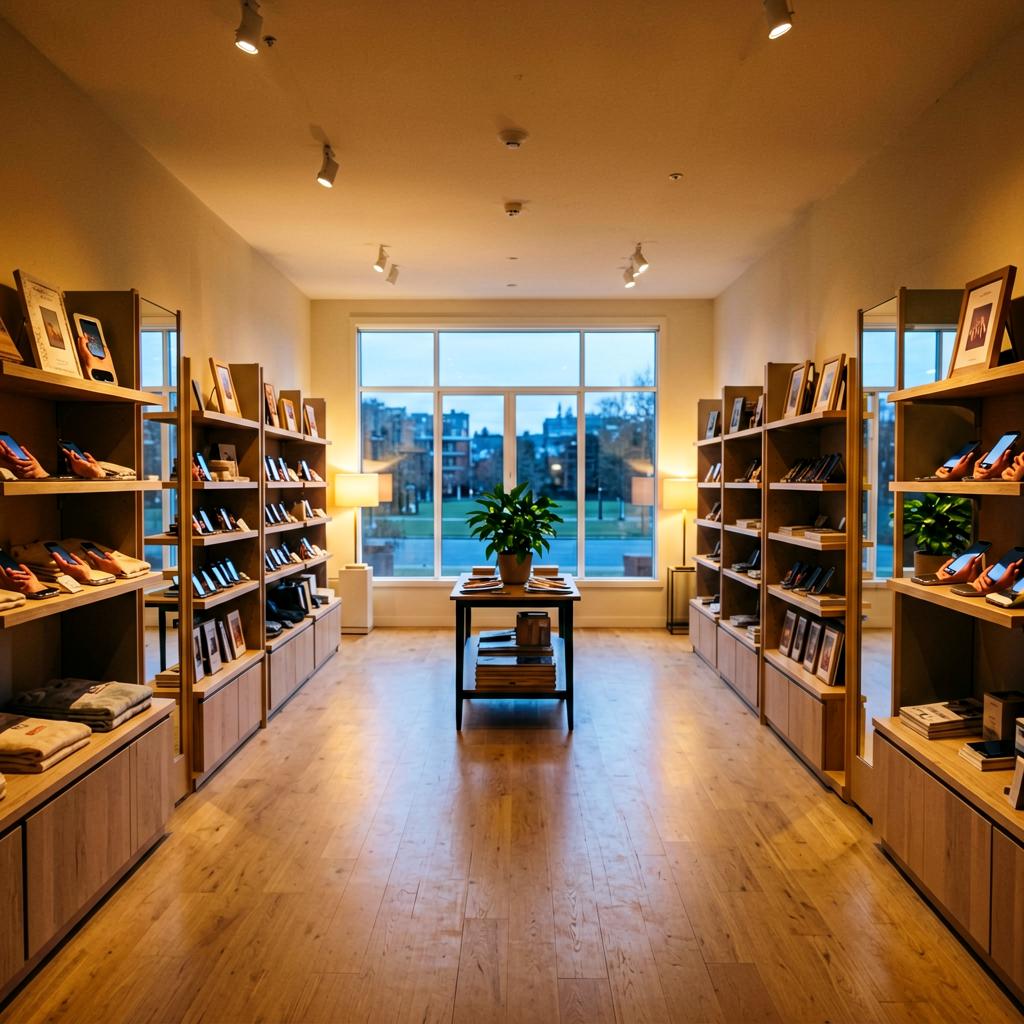
We finally brought in a retail layout guy. He took one look and said, 'Your aisle is a wall.' The store had one long center display running front to back, forcing everyone down the same narrow path. So we moved it. Ripped out the middle, pushed the shelves to the sides, and left a wide open lane down the center. Put the new arrivals up front, clearance in the back.
What Happened
Next open house, people actually walked around. Circled the perimeter, doubled back, picked things up. One couple spent fifteen minutes in there. We got an offer three days later — from the guy who said he 'loved the flow.'
Spatial Orientation
| Bagua Sector | 巽 ☴ · Xun |
|---|---|
| Direction | Southeast |
| Element | wood |
What works best here
Xun (4) · Wood. Southeast loves moderate height with an airy, open feel.
Place: tall leafy plants, natural fiber rugs, light wood tones, cream and soft green.
Recommended crystal
Citrine or Green Jade — placed on a wooden side table in the southeast corner
Perfect for a creative workspace or journaling spot; natural light is your friend here
Source Analysis
1. The Original Principle
Original Text
...que se redistribuyeran los mostradores para favorecer un movimiento más fluido de los clientes...
English Translation
A retail space should let customers move freely. Arrange counters and displays so there are open, clear paths—no dead ends, no bottlenecks. Keep main walkways free of clutter, and place popular or featured items where they draw people through the store.
2. About the Source
Feng shui para Occidente by Terah Kathryn Collins · United States · 1995
Feng Shui for the West is a practical guide that adapts classical Chinese spatial principles for modern Western homes and lifestyles. Written by one of the first American authors to bring Feng Shui to a mainstream English-speaking audience, the book translates ancient Bagua concepts into actionable room-by-room advice using familiar Western design language and contemporary case examples.
3. How This Principle Applies to This Case
The classical retail principle here is simple: a store's layout should guide movement naturally, not force it. In this case, the long center display acted as a physical barrier, creating a single cramped path that discouraged exploration—psychologically, narrow aisles signal 'turn around,' while wide, open sightlines invite curiosity. Modern environmental psychology backs this up: people linger longer in spaces that offer choice and visibility. The realtor's fix—removing the central obstacle and opening the path—restored a sense of agency for shoppers, which translated directly into longer visits and a quicker sale.
Bring the Purest Energy Into Your Home
Sourced from altitudes above 4,000 meters in the Himalayan range — the highest place on Earth and the closest to the sun. These crystals formed over millions of years in some of the planet's most pristine conditions, untouched by industrial pollution. Each piece carries the raw, unfiltered energy of the mountains. Whether placed on a nightstand, a desk, or a meditation corner, they serve as a quiet anchor — a daily reminder to pause, breathe, and reconnect.
Explore the HIMA ALAÏA collection →Case source
Jef Blocker Coaching & Feng Shui
IFSG Red Ribbon professional. Combines life coaching, Reiki energy healing, and residential Feng Shui adjustments. Active across the American South.