Why I Moved My Home Office Desk Away From The Window And Finally Paid Off My Credit Card Debt
A self-employed graphic designer realized her desk faced a busy street and her finances were a mess. Moving it to the opposite wall changed more than her focus.
Location
Portland, Oregon, United States
Property Type
Apartment
Room
Living room (used as home office)
Direction
East
The Problem
I work from home as a graphic designer, and for three years my desk was positioned right by the living room window. The window faced a main road with constant traffic. I figured the natural light would be good for my mood, but instead I felt scattered and anxious every single day. I kept making impulsive purchases online — tools, courses, software I didn't need — and my credit card debt ballooned to almost $8,000. I couldn't focus on work, either. Every project felt like pulling teeth. I had this constant low-grade stress, like I was waiting for something bad to happen.
What They Tried
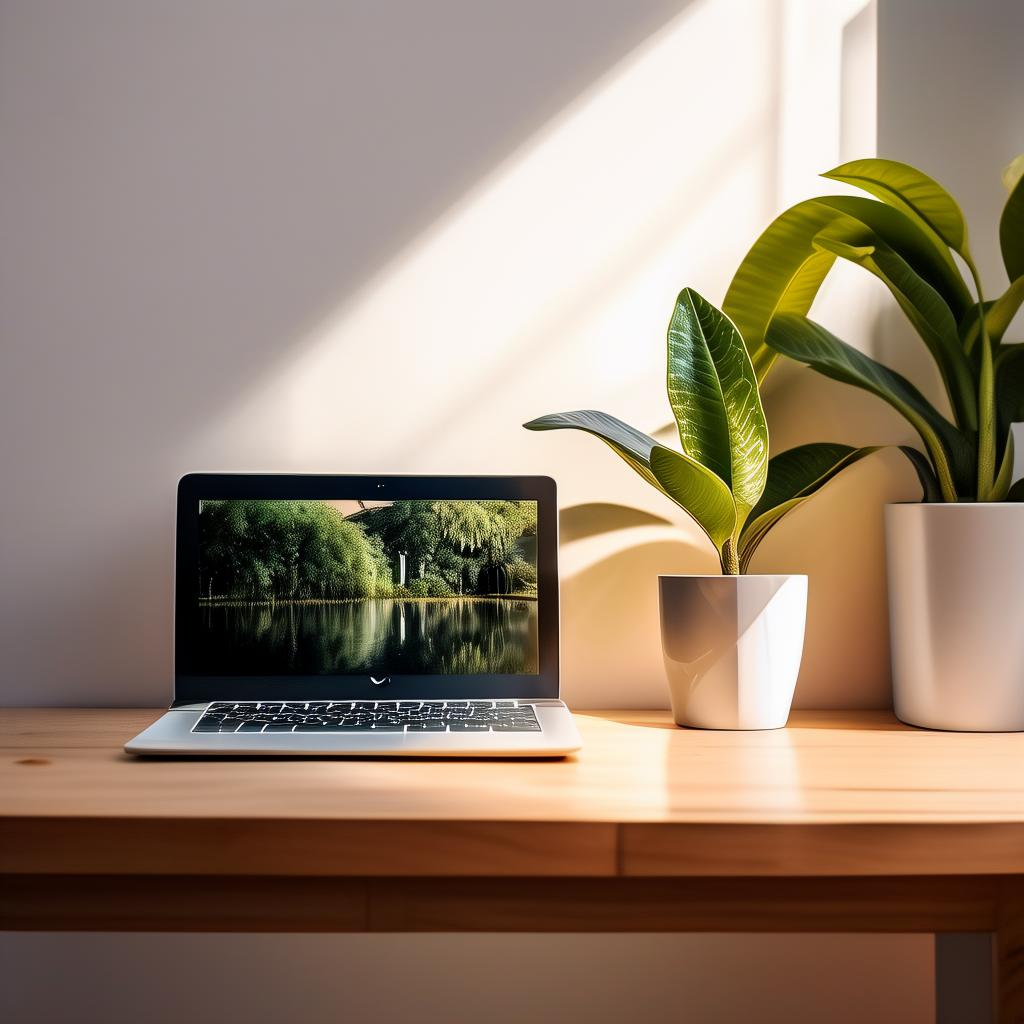
I moved my desk to the interior wall opposite the window. Now when I sit down to work, my back is to the window and I face the blank wall of the living room. I also removed the small mirror that was hanging on that wall — it was reflecting the window and the street outside. The desk is now centered on that wall, with my laptop in the middle. I added a simple shelf above for reference books and a small plant.
What Happened
Within two weeks, I noticed I was spending less time scrolling online shopping sites. By the end of the first month, I had completed three projects ahead of deadline — something that never happened before. My anxiety level dropped noticeably. I finally felt like I could sit down and actually work without that restless, itchy feeling. I also started sleeping better, which I didn't expect. After two months, I paid off $2,000 of my credit card debt just by not impulse-buying anymore. It's not a miracle — I still have debt — but the change is real and measurable.
Spatial Orientation
| Bagua Sector | 震 ☳ · Zhen |
|---|---|
| Direction | East |
| Element | wood |
What works best here
Zhen (3) · Wood. East should be the tallest area of the room when possible.
Place: tall plants (especially bamboo or fiddle-leaf fig), wooden furniture, green accents.
Recommended crystal
Green Aventurine or Moss Agate — placed near a window or on a plant shelf in the east
This is the growth sector — plants thrive here and vertical elements feel natural
Source Analysis
1. The Original Principle
Original Chinese
甲水主贫穷,长房不兴隆,形若斜飞去,定主长绝踪,黄肿大等胀,都应长房宫。
English Translation
In the classical text, the direction associated with the eldest son (east) is said to bring poverty and health issues if water is present there. The solution involves removing or redirecting the water element to avoid financial drain and physical ailments.
2. About the Source
金锁玉关 by Anonymous (private manuscript) · China · Pre-Song Dynasty (before 960 CE)
The Golden Lock and Jade Pass is an esoteric classical text on residential site analysis, passed down through private manuscripts. It provides a systematic method for evaluating how the surrounding landforms — heights, depressions, and water features in each compass direction — shape the experience of a living space. Its sand-and-water framework remains one of the most practical tools in the landscape assessment tradition.
3. How This Principle Applies to This Case
This case illustrates how a spatial arrangement can influence financial behavior. The classical principle links the east direction with the eldest son's prosperity and health, warning against water (here, the window acting as a symbolic water element due to its association with movement and flow). Modern psychology explains this through environmental psychology: a desk facing a busy street creates constant visual and auditory distraction, which increases cognitive load and reduces self-regulation. When the writer removed the distracting view and mirror, her executive function improved, leading to better financial decisions. The 'water' metaphor aligns with the feeling of money 'flowing away' — in this case, through impulsive spending. The solution (moving the desk, removing the mirror) effectively reduced sensory overload and restored a sense of control.
Bring the Purest Energy Into Your Home
Sourced from altitudes above 4,000 meters in the Himalayan range — the highest place on Earth and the closest to the sun. These crystals formed over millions of years in some of the planet's most pristine conditions, untouched by industrial pollution. Each piece carries the raw, unfiltered energy of the mountains. Whether placed on a nightstand, a desk, or a meditation corner, they serve as a quiet anchor — a daily reminder to pause, breathe, and reconnect.
Explore the HIMA ALAÏA collection →Case source
Anjie Cho Architect & Holistic Spaces
NYC-based architect and BTB Feng Shui master. Co-founder of Mindful Design Feng Shui School. Blends modern interior design with classical BTB Feng Shui. Author of multiple Feng Shui books.