Why I Moved the Bookshelf Out of the South Corner — and My Son's Eye Doctor Noticed a Change
A tall bookshelf in the south corner of the living room seemed harmless — until my son's eye strain and a surprised optometrist made me rethink it.
Location
Austin, TX, United States
Property Type
House
Room
Living Room
Direction
South
The Problem
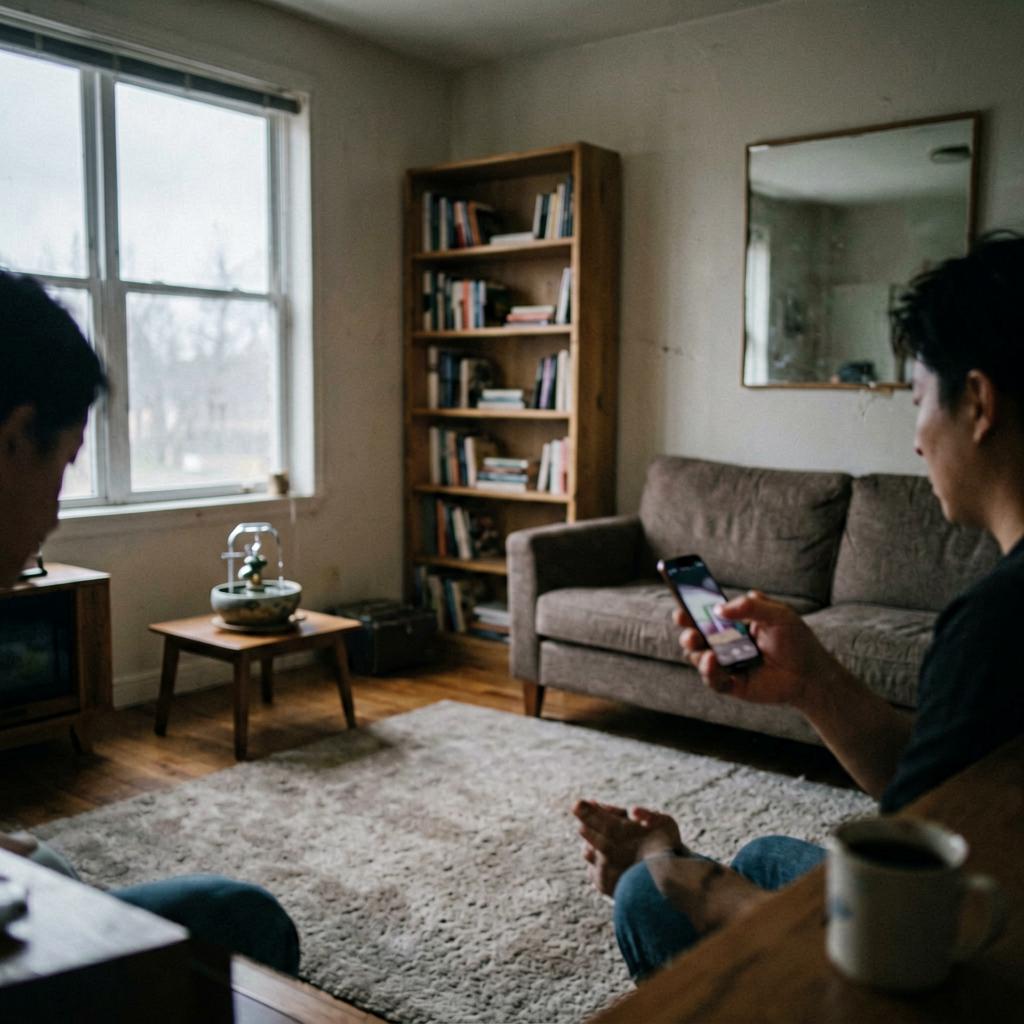
My son, who's eight, kept rubbing his eyes. Blurry vision, headaches after reading. The optometrist said it was eye strain, but nothing we tried helped. Our living room had a huge bookshelf crammed into the south corner — I never thought twice about it.
What They Tried
A friend who's into spatial stuff suggested I move the bookshelf out of the south corner. She said tall, heavy objects in the south can 'press' on the household — I laughed, but I was desperate. I shifted it to the east wall and put a small water fountain in the south spot instead.
What Happened
Within two weeks, my son stopped complaining about headaches. His reading stamina doubled. At his next eye check-up, the optometrist asked if we'd changed anything at home — his eye strain had visibly reduced. I'm not saying it's magic, but I'm not moving that shelf back.
Spatial Orientation
| Bagua Sector | 离 ☲ · Li |
|---|---|
| Direction | South |
| Element | fire |
What works best here
Li (9) · Fire. South should feel more open and lower than North for visual balance.
Place: low-profile furniture, mirrors, glass surfaces, warm lighting.
Recommended crystal
Clear Quartz or Sunstone — placed where it catches natural light, like a windowsill or console table
Mirrors work exceptionally well here — they reflect light and make the room feel larger
Source Analysis
1. The Original Principle
Original Chinese
丙沙太不强,中子目定盲,形若高尖起,亦主吐血亡,壬水再对照,先绝是二房。
English Translation
A southern sand mound or tall object can bring eye trouble or worse to the middle son. If there's water to the north, it spells trouble. Better to keep the south clear and low.
2. About the Source
金锁玉关 by Anonymous (private manuscript) · China · Pre-Song Dynasty (before 960 CE)
The Golden Lock and Jade Pass is an esoteric classical text on residential site analysis, passed down through private manuscripts. It provides a systematic method for evaluating how the surrounding landforms — heights, depressions, and water features in each compass direction — shape the experience of a living space. Its sand-and-water framework remains one of the most practical tools in the landscape assessment tradition.
3. How This Principle Applies to This Case
This is less about mysticism and more about how we associate spatial heaviness with stress. A tall, dark bookshelf looming in the corner creates a subconscious visual weight — especially for a child who reads in that room. Removing it opened the sightline and reduced visual clutter, which can lower cognitive load. The water fountain added a calming focal point. Modern psychology supports that reducing visual noise and balancing your environment can ease stress and even physical tension like eye strain.
Bring the Purest Energy Into Your Home
Sourced from altitudes above 4,000 meters in the Himalayan range — the highest place on Earth and the closest to the sun. These crystals formed over millions of years in some of the planet's most pristine conditions, untouched by industrial pollution. Each piece carries the raw, unfiltered energy of the mountains. Whether placed on a nightstand, a desk, or a meditation corner, they serve as a quiet anchor — a daily reminder to pause, breathe, and reconnect.
Explore the HIMA ALAÏA collection →Case source
Anjie Cho Architect & Holistic Spaces
NYC-based architect and BTB Feng Shui master. Co-founder of Mindful Design Feng Shui School. Blends modern interior design with classical BTB Feng Shui. Author of multiple Feng Shui books.