Why I Now Check the Calendar Before Every Renovation—A Realtor's Cautionary Tale
A realtor shares how a client's renovation hit a string of disasters, leading her to consider the timing of home projects.
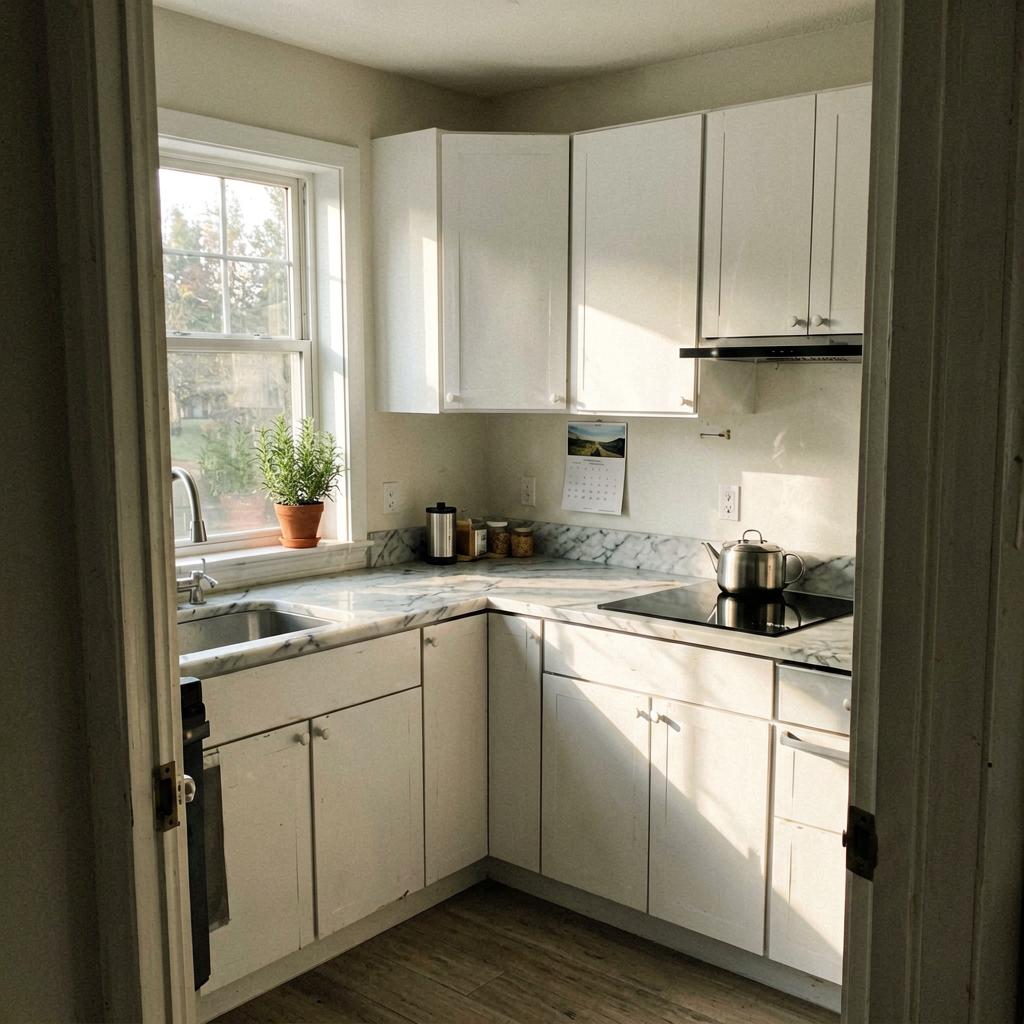
Location
San Francisco, United States
Property Type
House
Room
Kitchen
Direction
South
The Problem
A client's kitchen renovation went wrong from day one: permits delayed, contractor quit, water damage in the living room.
What They Tried
After a string of bad luck, the realtor researched old customs about avoiding certain days for construction, and now advises clients to pick auspicious dates.
What Happened
The renovation was completed without further issues, and the realtor now checks the calendar as a standard part of her pre-renovation checklist.
Spatial Orientation
| Bagua Sector | 离 ☲ · Li |
|---|---|
| Direction | South |
| Element | fire |
What works best here
Li (9) · Fire. South should feel more open and lower than North for visual balance.
Place: low-profile furniture, mirrors, glass surfaces, warm lighting.
Recommended crystal
Clear Quartz or Sunstone — placed where it catches natural light, like a windowsill or console table
Mirrors work exceptionally well here — they reflect light and make the room feel larger
Source Analysis
1. The Original Principle
Original Chinese
修造忌晦气煞日 丙子命忌辛丑日、丙申忌辛巳、甲子忌巳丑、甲戌忌乙卯、乙亥忌庚寅、丁亥忌壬寅、戊寅忌癸亥、丁丑忌壬子。
English Translation
When building or renovating, avoid days that clash with the homeowner's birth year. For example, a person born in the Year of the Rat should avoid the day 辛丑, as it is considered inauspicious for construction and may invite misfortune.
2. About the Source
八宅明镜下篇 by Yang Yunsong (attributed) · China · Qing Dynasty (1644–1912 CE)
The Eight Mansions Bright Mirror is one of the most influential classical Chinese texts on residential architecture. For over three centuries, it has served as a foundational reference for understanding how the layout and orientation of living spaces affect the wellbeing of their inhabitants, focusing on how living spaces can be arranged to support health, relationships, and prosperity.
3. How This Principle Applies to This Case
This case highlights a common practice in traditional Chinese culture: selecting auspicious dates for major undertakings. The underlying principle is that certain days carry negative associations based on the homeowner's birth year, which can set a project up for failure. Modern psychology might explain this as a self-fulfilling prophecy—if you start a renovation on a 'bad' day, you're more likely to notice problems and expect failure, which can increase stress and lead to mistakes. Conversely, choosing a 'good' day can boost confidence and create a positive mindset, improving the chances of a smooth project. While the calendar may not have literal power, the ritual of planning and intention-setting can have real psychological benefits.
Bring the Purest Energy Into Your Home
Sourced from altitudes above 4,000 meters in the Himalayan range — the highest place on Earth and the closest to the sun. These crystals formed over millions of years in some of the planet's most pristine conditions, untouched by industrial pollution. Each piece carries the raw, unfiltered energy of the mountains. Whether placed on a nightstand, a desk, or a meditation corner, they serve as a quiet anchor — a daily reminder to pause, breathe, and reconnect.
Explore the HIMA ALAÏA collection →Case source
Julie Khuu
Interior designer blending Feng Shui principles with modern aesthetics. Popular design content creator.