Why I Stopped Leaving the Bathroom Door Open (My Home Office Focus Came Back)
A designer client noticed her home office focus was vanishing. The culprit? An open bathroom door directly across the hall. Here's what happened when we closed it.
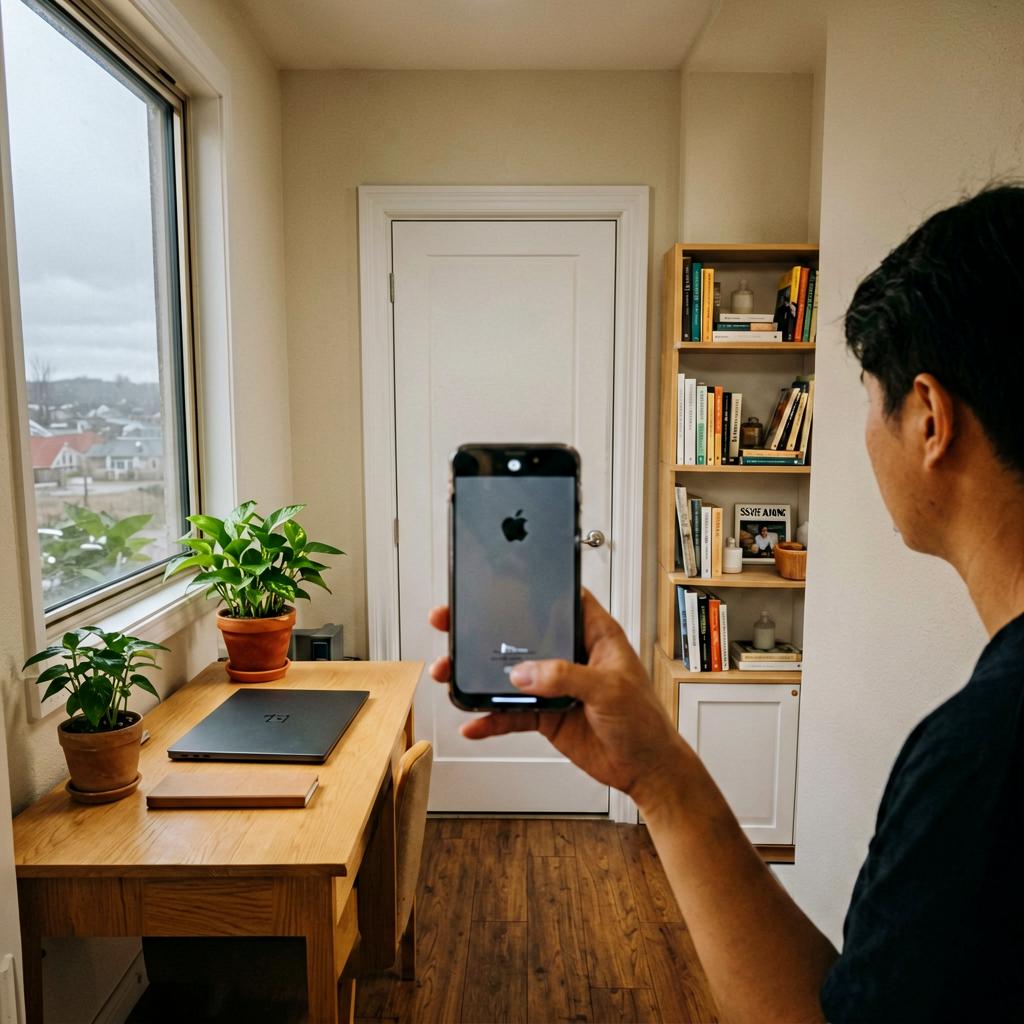
Location
Portland, United States
Property Type
Apartment
Room
Home Office
Direction
North
The Problem
My client, a freelance writer, couldn't concentrate in her new home office. She'd sit down, open her laptop, and feel restless. Emails took twice as long. She'd get up every ten minutes for water, snacks, anything. She described it as 'my brain going down the drain.'
What They Tried
I walked through her apartment. The office door faced the bathroom door, about six feet apart. The bathroom door was almost always open — she liked the light from the window. I suggested we try closing the bathroom door, and keeping the toilet lid down, just as an experiment. She was skeptical but agreed for one week.
What Happened
Within three days, she said the restlessness had eased. By the end of the week, she was finishing a chapter that had stalled for a month. She also noticed she wasn't checking her phone as often. The simple act of removing that visual 'escape route' made the office feel more contained, more private.
Spatial Orientation
| Bagua Sector | 坎 ☵ · Kan |
|---|---|
| Direction | North |
| Element | water |
What works best here
Kan (1) · Water. North side can be slightly taller than South for a grounded feel.
Place: dark-colored ceramics, stone objects, heavy bookshelves.
Recommended crystal
Black Obsidian or Smoky Quartz — placed on a low table or shelf in the north corner
A solid, weighty presence here helps the room feel anchored and secure
Source Analysis
1. The Original Principle
Original Text
Las expresiones: «Es como si lo hubiera echado al retrete (mi dinero, tiempo, etc.) y tirado de la cadena», o «Todo (el proyecto, matrimonio, etc.) acabó en la alcantarilla» hay que tomarlas muy en serio cuando se practica el Feng Shui en un intento de realzar el bagua. Las zonas situadas en los retretes y cuartos de baño pueden constituir una amenaza para el chi nutriente que fluye en un edificio.
English Translation
This principle comes from a modern Western interpretation of Feng Shui, which warns that bathrooms and toilets can drain the nourishing energy of a space. The idea is that water, and what goes down the drain, symbolizes loss — so an open bathroom door near where you work can subtly suggest that your efforts are being flushed away.
2. About the Source
Feng shui para Occidente by Terah Kathryn Collins · United States · 1995
Feng Shui for the West is a practical guide that adapts classical Chinese spatial principles for modern Western homes and lifestyles. Written by one of the first American authors to bring Feng Shui to a mainstream English-speaking audience, the book translates ancient Bagua concepts into actionable room-by-room advice using familiar Western design language and contemporary case examples.
3. How This Principle Applies to This Case
This case shows how a spatial cue can affect cognitive focus. The open bathroom door created a visual distraction and a subconscious association with waste and flushing — a metaphor for losing time and energy. By closing the door and covering the toilet, the client removed that cue, allowing her brain to settle. This aligns with principles of environmental psychology, where visual clutter or distracting sightlines can impair concentration. The client's improvement suggests that even a small change in a room's orientation can have measurable psychological benefits.
Bring the Purest Energy Into Your Home
Sourced from altitudes above 4,000 meters in the Himalayan range — the highest place on Earth and the closest to the sun. These crystals formed over millions of years in some of the planet's most pristine conditions, untouched by industrial pollution. Each piece carries the raw, unfiltered energy of the mountains. Whether placed on a nightstand, a desk, or a meditation corner, they serve as a quiet anchor — a daily reminder to pause, breathe, and reconnect.
Explore the HIMA ALAÏA collection →Case source
Maureen Calamia
Founder of Luminous Spaces. Blends Feng Shui with biophilic design and nature-inspired spatial psychology.